What It Really Costs to Live in Sicily (Our Honest Monthly Breakdown)
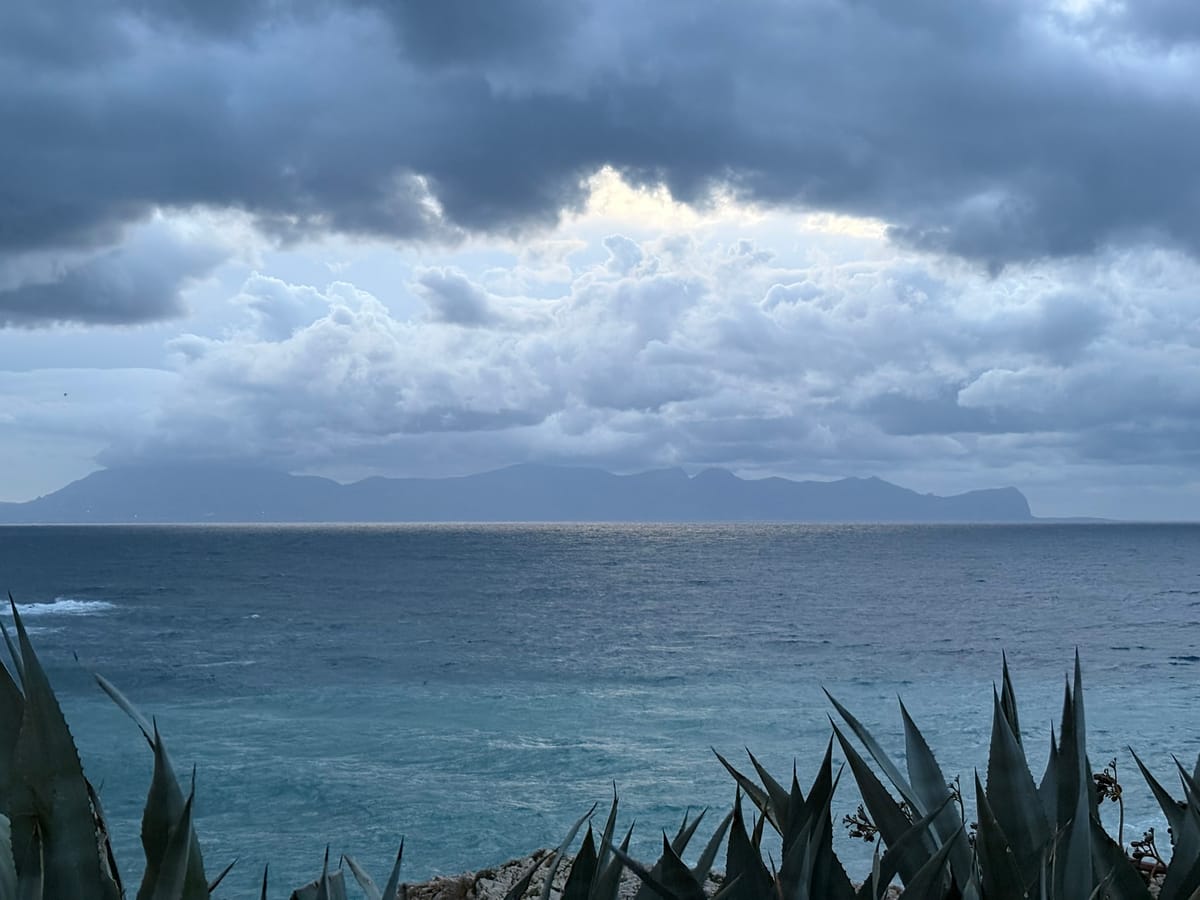
When we were still living abroad, Sicily often sounded like some kind of Mediterranean cheat code. Cheap houses, endless sunshine, fresh food, slow life. But once you actually move here, the numbers start to feel a bit more real.
So let’s talk about it honestly. Not dream-numbers from old posts, but what everyday life here actually costs.
We’ve been living in Sicily for a while now, and this is our real-life breakdown: rent/buying, food, bills, and the small daily things that add up.
Renting: the €250 myth
There is this persistent fantasy online that you can rent a seaside villa in Sicily for €250 a month.
You can’t. At least not in places where most people actually want to live.
In coastal towns or areas near cities, a realistic starting point for a decent apartment is around €450–€600 per month. That usually gets you something renovated, with a balcony or terrace, and in a livable area.
Once you go into new builds or more desirable locations, prices rise quickly. Luxury rentals or villas can easily reach €2,000–€2,500 per month or more (sky is the limit).
The “foreigner price” is real
One thing we noticed early on: if you don’t speak Italian, you might get quoted higher rents. It doesn’t always happen, but it’s common enough that you should be prepared.
That’s why it’s important to:
- Compare multiple listings
- Ask locals or agents for guidance
- Never rush into the first option
Registered vs unregistered contracts
In Sicily, some landlords prefer not to officially register rental contracts because of taxes. If you need a registered address (for residency, permits, etc.), expect the rent to increase.
It’s not ideal, but it’s part of the local reality. And I am here to tell you the truth.
Buying property: cheap, but not everywhere
Before moving to Sicily, we were reading those same viral stories as everyone else.
“She bought a villa for €60,000.” “He got a whole house for €80,000.”
And we thought: wow. That’s incredible. This will totally be us! The olive and lemon tree dream... And a dream it is.
Then you actually come here and start looking at properties in person.
Yes, those villas exist. But very often, the location is far from desirable. They’re deep inland, in shrinking towns, or in areas with very limited services or community life. Not even talking about jobs. Both me and Lukas are convinced that the best way to move to Sicily is with a remote job or foreign income. Or money ready to invest in something of your own. Of course, finding a job in Sicily is not impossible, but you have to be realistic with your expectations. Especially when it comes to salary.
Prices in Sicily vary massively by location. Even within the same city.
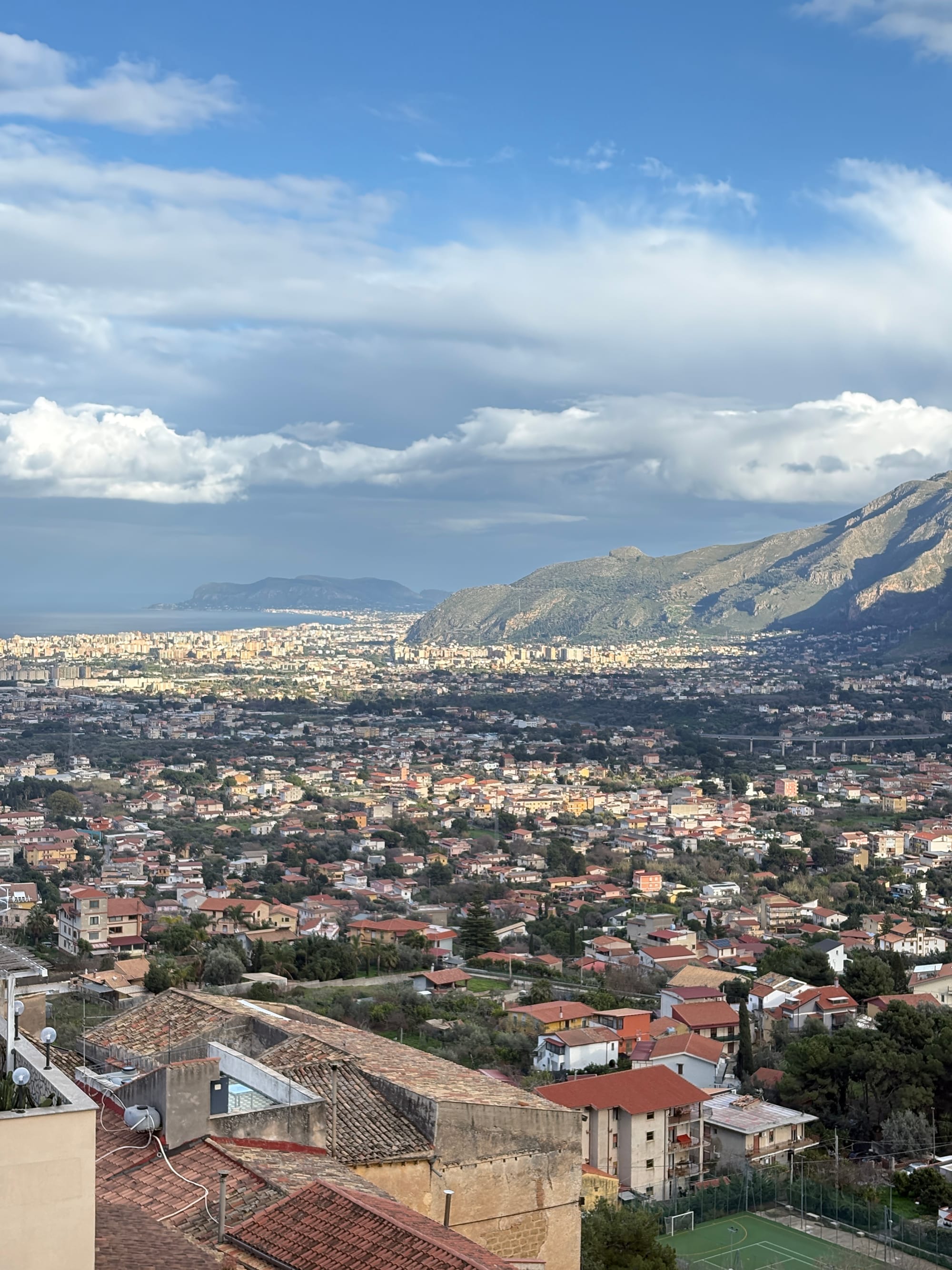
Take Palermo as an example. There are neighborhoods where you’d happily live, walk around at night, go for coffee, and feel part of the city. And then there are areas where you probably wouldn’t want to live at all. You can see the difference instantly in the property prices.
So while the viral prices are technically true, you have to be realistic about what you’re actually buying.
For something small, renovated, and near the coast, realistic starting prices are around €50,000. From there:
- Medium apartments: €80,000–€120,000
- New builds near the sea: €150,000–€250,000+
In our area near Palermo (Terrasini), a modern 80 m² newly built apartment can easily cost around€200,000.
Asking prices vs real prices
One very important thing: in Sicily, asking prices are often much higher than final sale prices.
Some properties sit on the market for years because owners aren’t in a hurry to sell. Always check real transaction prices, not just listings.
So, is Sicily a good place to buy?
In our opinion, absolutely.
Even with realistic prices, Sicily is still far more accessible than most of Europe. In many countries, €150,000 wouldn’t even get you a parking space in a major city.
Here, a strategic purchase can do both:
- Fulfill your Mediterranean dream
- And not completely destroy your wallet
The key is choosing the right location and being honest with yourself about what kind of lifestyle you actually want.
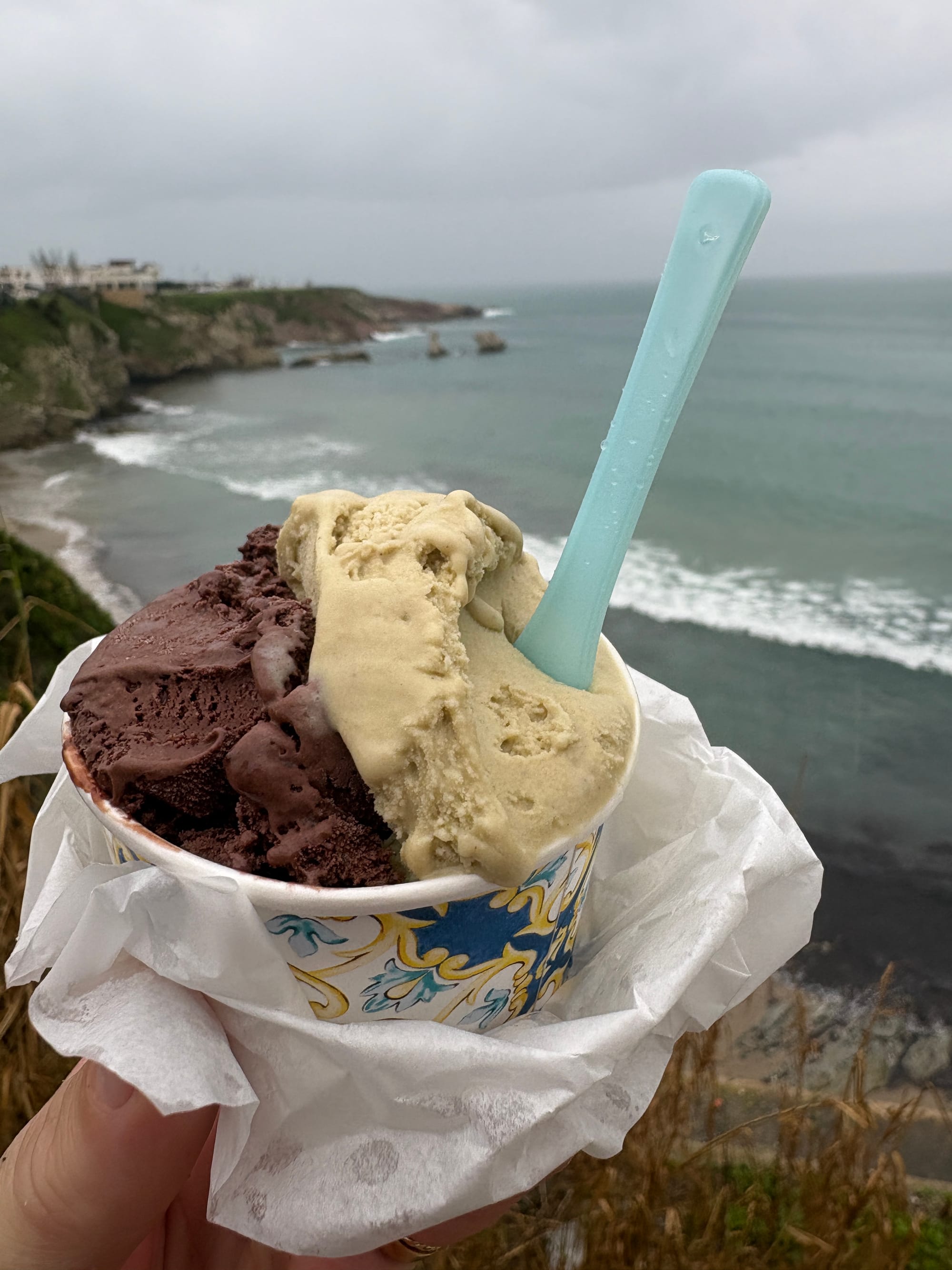
Groceries: high quality, moderate prices
This is where Sicily really shines.
Food quality here is incredible, especially if you cook at home and follow the seasons.
We shop mostly in:
- Lidl (surprisingly high quality here), I would even call it a fancy Lidl :D
- Local chains
- Weekly street markets
We cook about 95% of our meals from scratch. We buy good quality produce, not the cheapest options.
Our average weekly food budget: €170–€200 per week.
That includes:
- Groceries
- Cleaning supplies
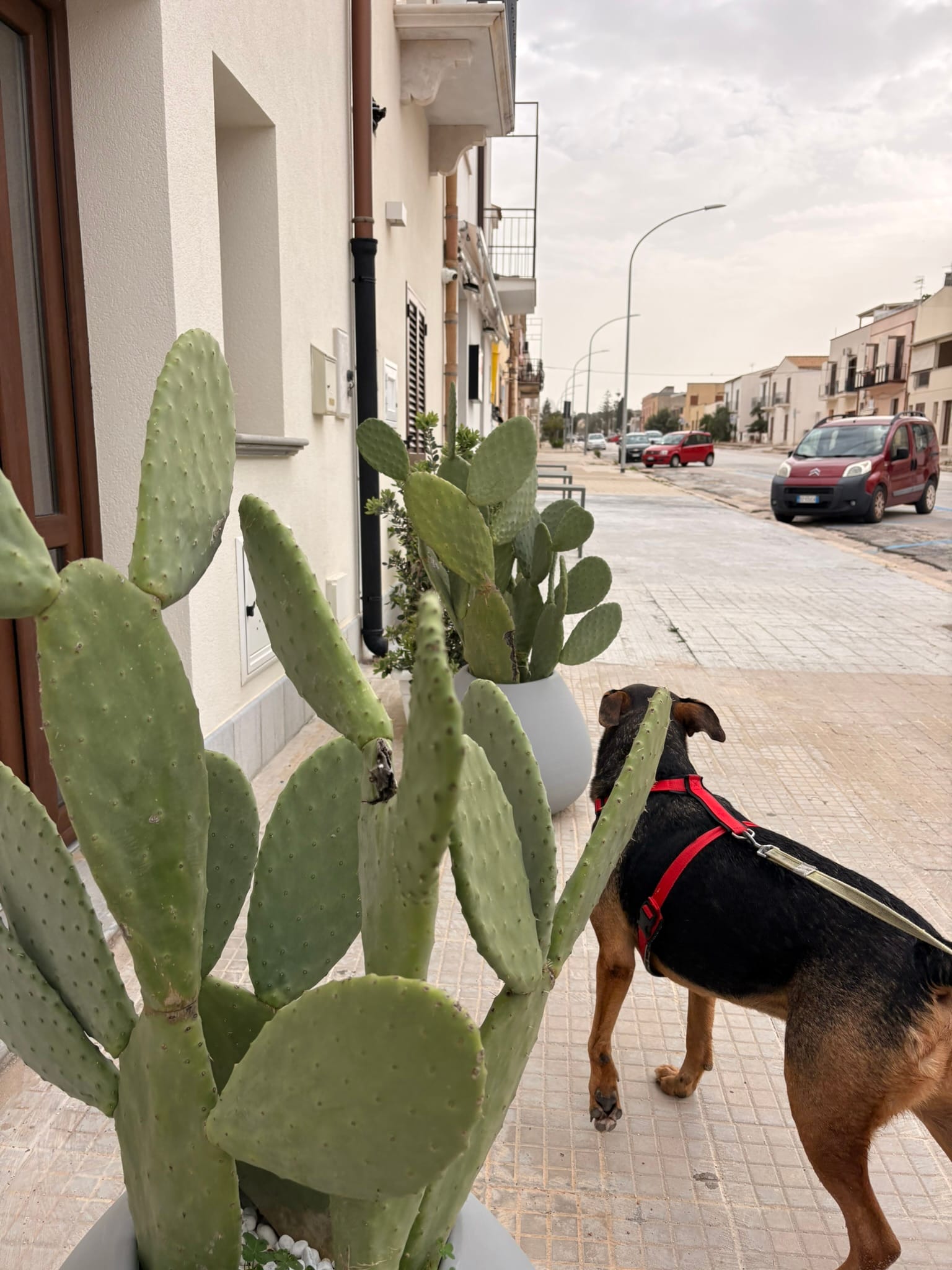
- Food for our 40-kg dog (we cook his meals from scratch).
Without the dog, a couple could easily spend less.
Eating out
Restaurants are not as cheap as many expect. A realistic dinner for two: around €50–€70 depending on the place.
And locals don’t just order one dish. A typical Sicilian dinner can be:
- Antipasto
- Primo
- Secondo
- Dessert
- Wine
- Coffee
We still haven’t managed that full lineup.
We usually go for antipasti and a primo or secondo, some wine and always coffee. That usually costs us anywhere between 40-70 euros for both.
Daily costs: fuel and small expenses
Petrol is slightly more expensive than many mainland European countries.
Typical prices:
- Around €1.70 per liter
- Up to €2.00–€2.20 on highways
Also, at some stations:
- Self-service is cheaper
- Full service (where the person puts the gas in your car) costs a bit more.
And very occasionally, you might run into a less-than-honest station. It’s rare, but it happens.
Bills: what we actually pay
Electricity
We currently pay about:
- €0.38 per kWh
- Around €100–€120 per month total
But we:
- Work from home
- Film and charge lots of devices
- Cook with electric oven and different appliances (coffee machine, bread maker etc.).
A more average household could pay less.
Gas
We use gas bombs for cooking.
- One small cylinder: about €35
- Lasts 4–5 months for us. And we do cook daily.
Waste tax (TARI)
Depends on:
- Municipality
- Property size
- Number of residents
Typical range:
€200–€400 per year
Property taxes
If you own a home in Sicily:
- Primary residence: usually no property tax. The only exception here is luxury properties. f
- Second home: taxed based on cadastral value, not market price
That cadastral value is often much lower, which keeps taxes relatively reasonable.
Special tax schemes
Italy offers several tax incentives:
- 7% flat tax for foreign pensioners
(tax is applicable in certain locations, up to 10 years). If you don't go to big cities, most of Sicily is applicable for this tax. - Special regimes for:
- Digital nomads
- Researchers
- High-income individuals
These are very situation-specific, but they can make a big difference.
So… is Sicily cheap?
It depends on your expectations.
If you:
- Cook at home
- Live in a modest apartment
- Don’t chase luxury locations
Then yes, Sicily can be very affordable.
But if you expect:
- Beachfront villas for €250
- Daily restaurant meals
- Zero bureaucracy
Reality will feel different.
For us, the cost of living here is lower than in many Western European countries, but not in the “almost free” way the internet sometimes suggests.
It’s a slower, simpler life. And that’s where the real value is.
If you wish to learn more about the cost of living in Sicily, we have also posted a video about it: https://youtu.be/epX6ocUQLzw?si=Bh73kDzUtP0irqty
If you’re considering relocating to Sicily, we offer independent relocation consultations. You can find more information and book a call on this website.
And if you’d like to read more of our stories and everyday experiences here, consider subscribing to the blog. We truly appreciate every single one of you.
As always, tips are never expected, but always appreciated https://spark-of-sicily.ghost.io/#/portal/support
Thank you for reading, and see you in the next one.
Ciao.