West Sicily vs East Sicily: The Differences We Noticed After Moving Here
I will be honest with you, friends, our research before moving to Sicily was slightly chaotic. We were no different than any other dreamer thinking of the Mediterranean life. We talked about lemon trees and olive trees (I know that whilst it is absolutely true and available, it is literally the biggest cliché ever, but yes, we do have our lemon tree :D).
We thought that we wanted a small town with this idealistic life somewhere amongst mountains, sea and peace. And whilst all of that is still true, we have realised that your Sicilian experience can be wildly different depending on your location.
I would even say that there are two Sicilies :D A western one and an eastern one. Each of them is absolutely wonderful, fantastic, even. And yet... both wildly different.
So what are these sides of Sicily?
For the sake of this article, I will regard the West or Palermo side as roughly Sciacca up towards Messina and the East or Catania side as roughly from Agrigento down towards Taormina.
We are not going for geographical accuracy here. It is all about vibes and, in our time here in Sicily, I think you can pretty accurately say that the cities I have categorised as West and East feel wildly different from each other.
I should also mention that this is simply our experience after living here, travelling around the island, looking at property, filming for Spark of Sicily and spending far too much time discussing where we would choose to live if we were moving all over again.
The general feeling
The biggest difference for us has always been the feeling. On the West side, once you leave Palermo or Trapani, things slow down remarkably quickly. You get smaller towns, fishing villages, countryside, longer drives between towns and more quiet gaps. And, honestly, in my opinion, that is part of the charm.
Lukas once described the western side as feeling "less performative" and I think that is one of the most accurate descriptions we have ever come up with.
Many places on the Palermo side don't appear to be trying particularly hard to impress anyone. And that can be truly wonderful. You get local routines, local festivals, local cafes and towns that still feel like they exist primarily for the people living there. You get the Sicilian feeling with all its magic.
What is the downside, you ask? You get the Sicilian feeling with all its magic. :D And that is not always a good thing. If a restaurant has decided that it is closed today, it is closed today. If somebody is on holiday, they are on holiday and your feelings are not their problem. If opening hours online say one thing and reality says another... well that looks like a you problem.
You get the authentic Sicilian experience in every direction.
The eastern side gives us a different feeling entirely.
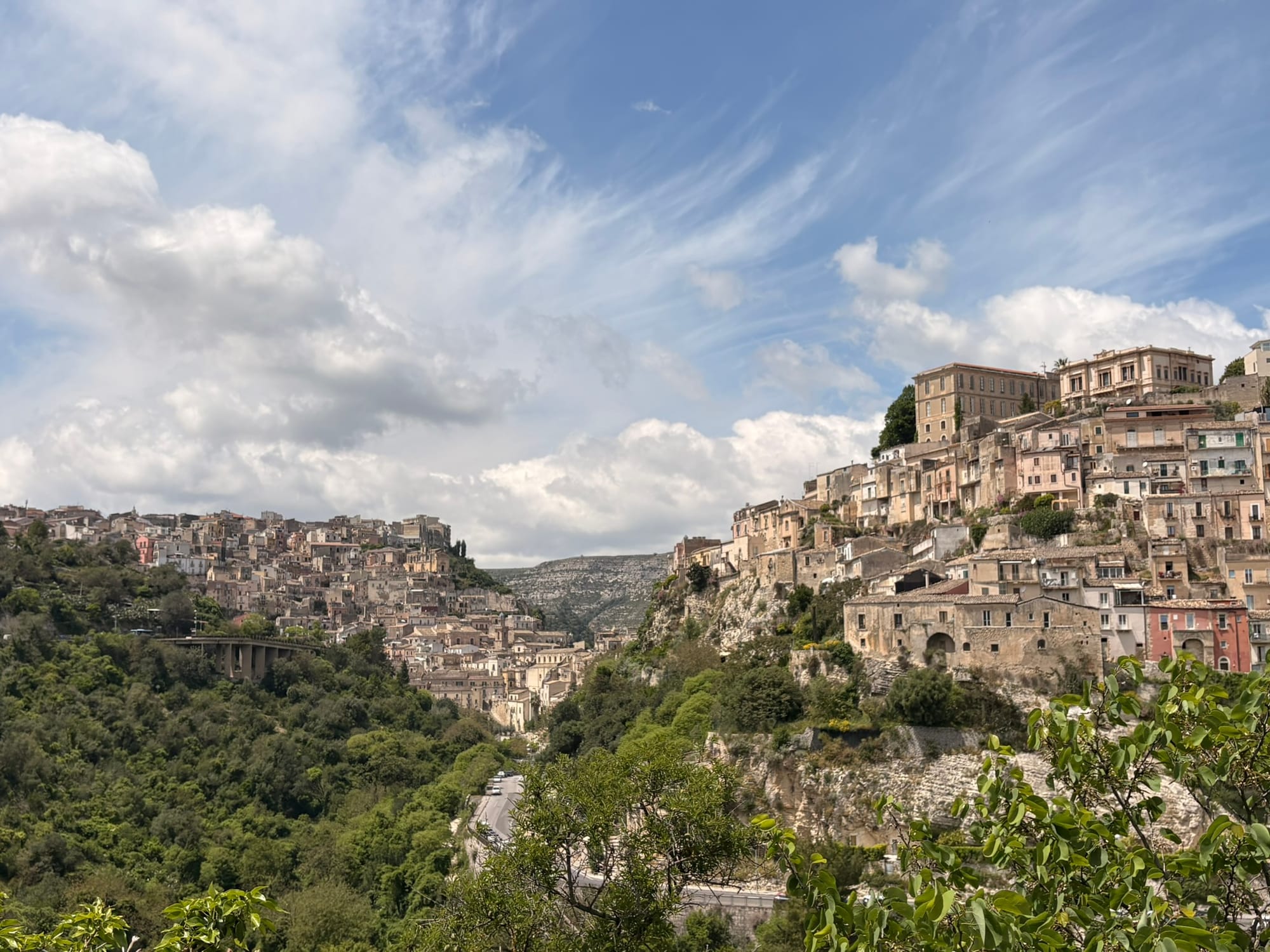
Whenever we drive towards Catania, it feels as though there is always another larger city nearby. Catania, Siracusa, Noto, Modica, Ragusa, Taormina are all what I would consider bigger cities (for Sicily, of course) and are usually on the must see list for all tourists. And, of course, you cannot forget the star of the show - Mount Etna is quietly (or sometimes not so quietly) watching the whole thing.
The pace feels faster here, cities feel more connected, tourism and, honestly, globalisation as well are both more visible. This side has been more popular for tourists and visitors historically and you can truly feel that influence.
Neither side is better, of course. They simply offer a different experience.
History plays a role too.
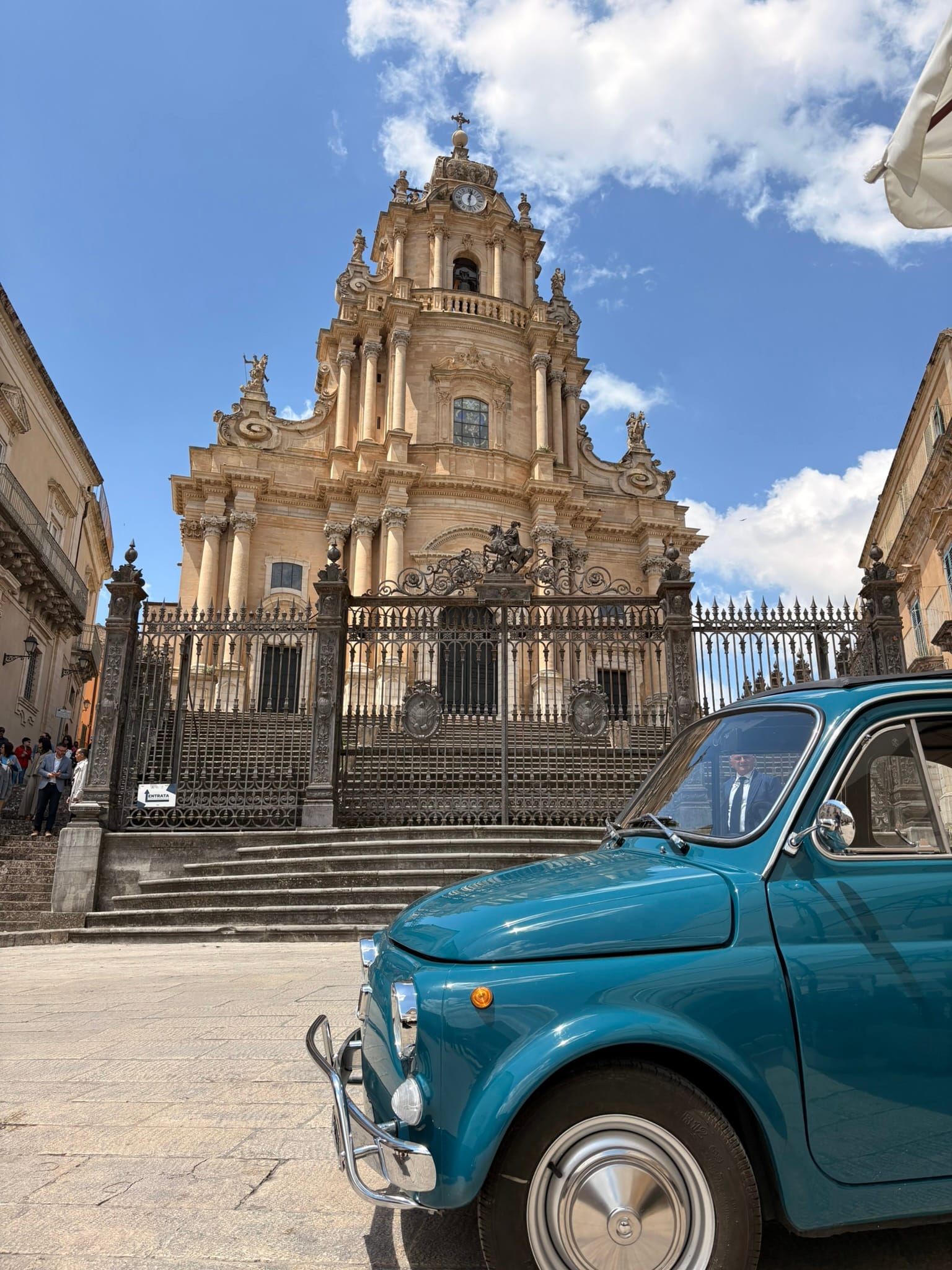
The eastern side carries stronger traces of its Greek past. Major ancient cities, trade routes and centuries of importance helped shape places like Siracusa, Catania and Taormina into what they are today.
The western side tells a different story.
Arab influence is everywhere once you start noticing it. It appears in agriculture, architecture, fishing traditions and some of the most famous dishes in western Sicily.
Nature, weather and geography
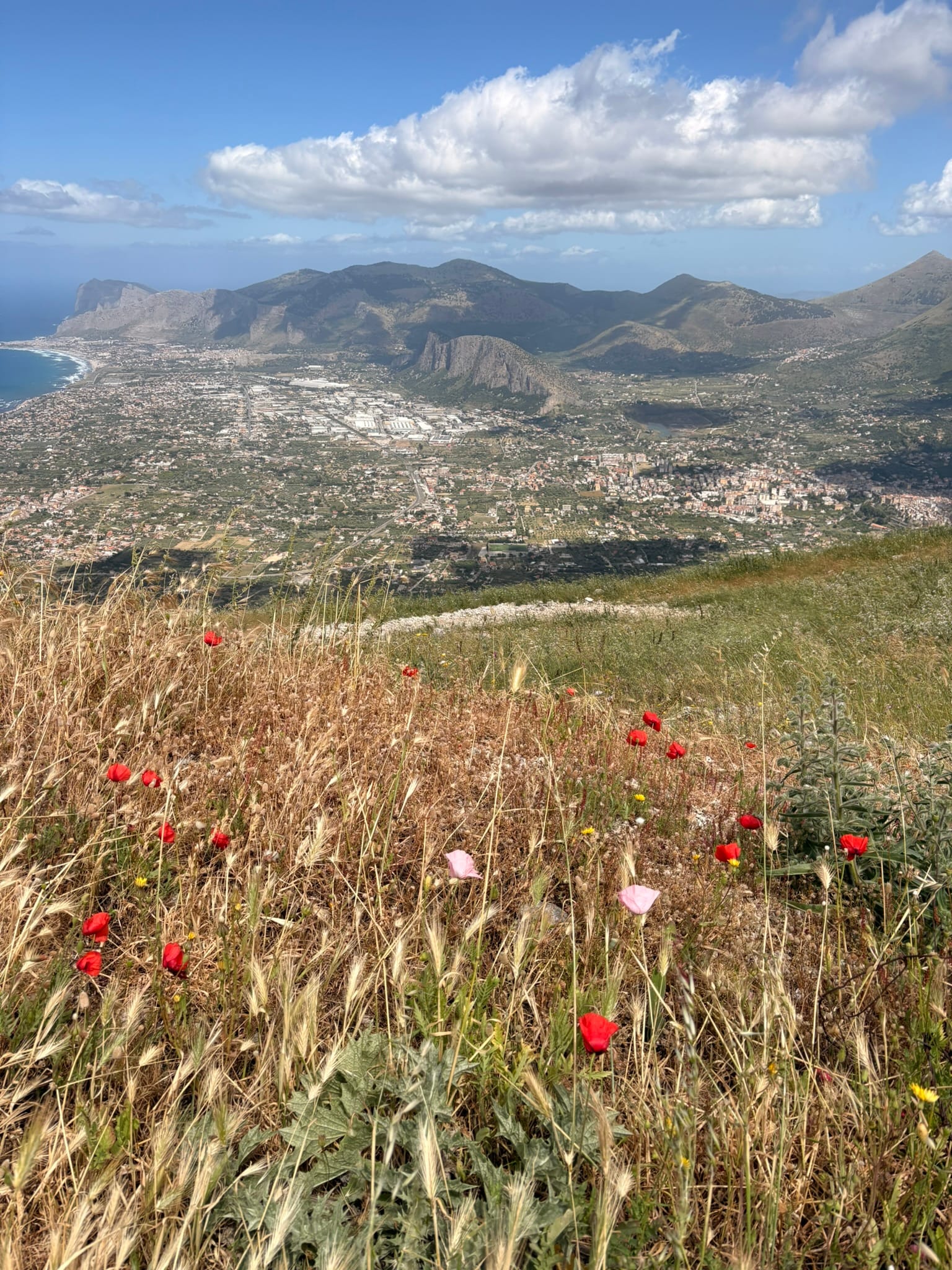
If somebody dropped us into an unknown part of Sicily and asked us to guess which side we were on, the landscape would probably give it away quite quickly.
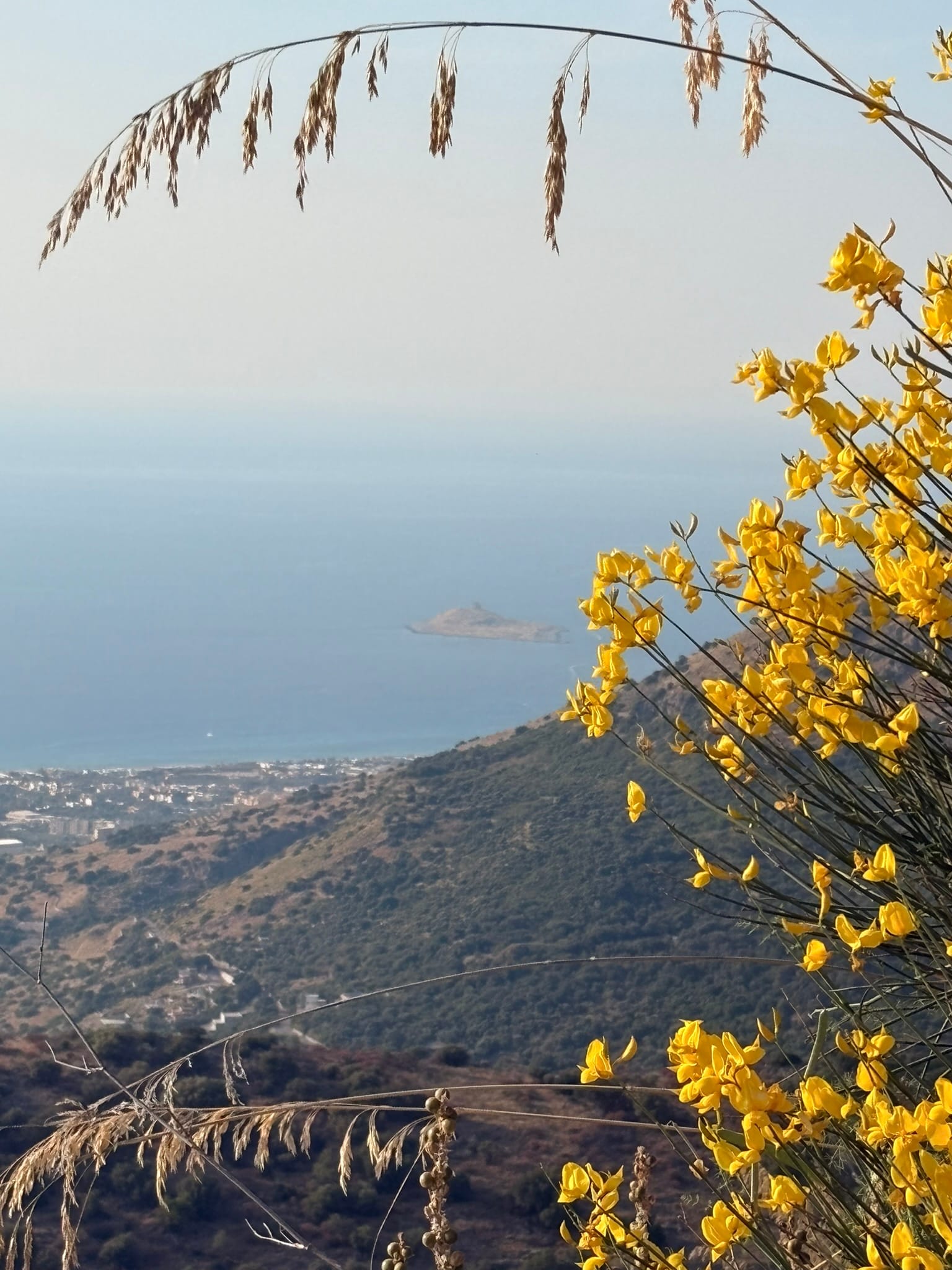
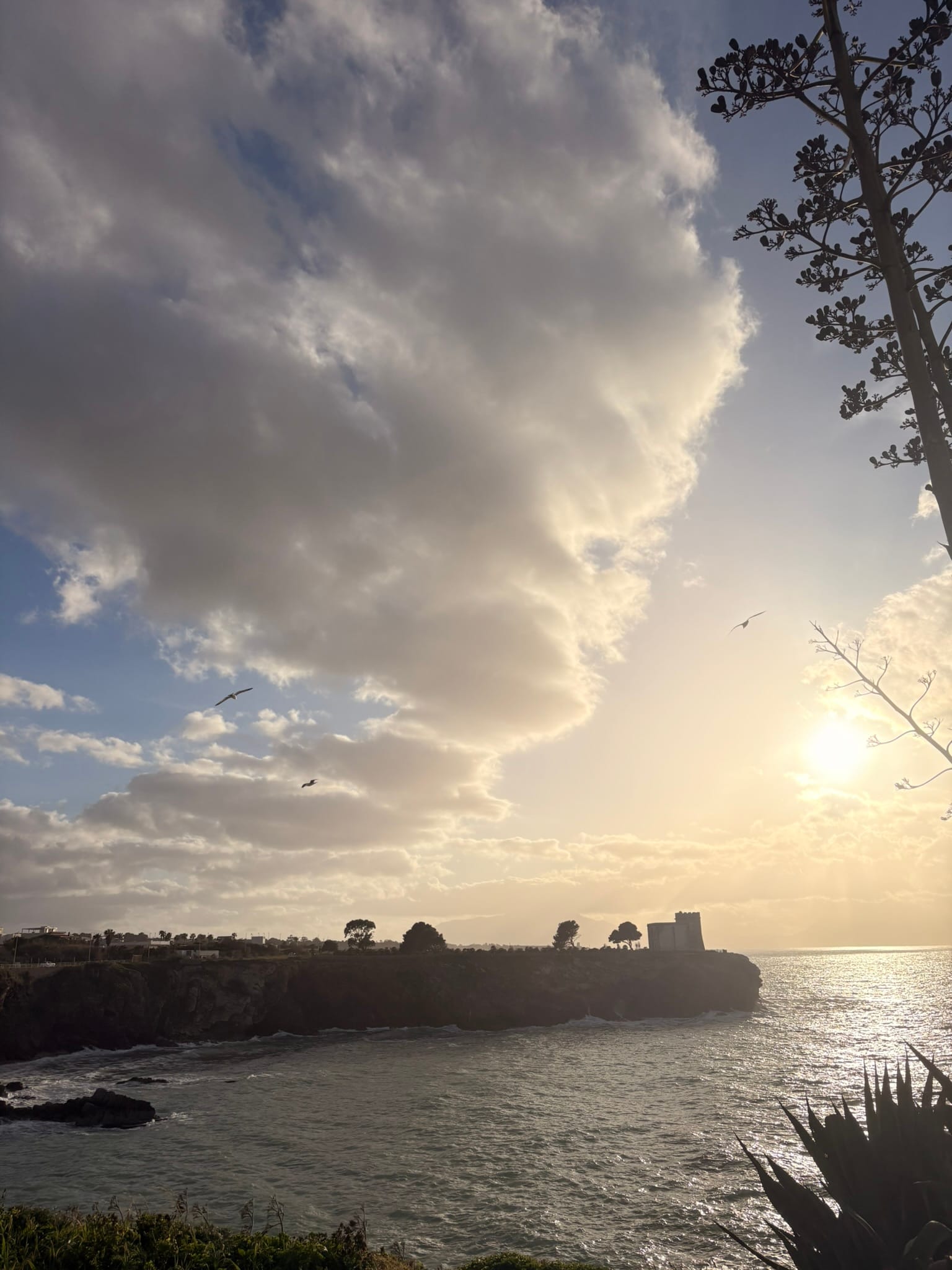
The western side often feels more open. There are long coastal roads, rolling hills and stretches of countryside where your view seems to continue forever.
Wind is a constant companion here though. During summer, when Sicily decides to remind everybody that it is very much in the middle of the Mediterranean, that wind can become your best friend.
The eastern side feels more dramatic, naturally.
Mountains rise sharply from the coastline and Mount Etna dominates huge parts of the horizon and somehow manages to steal attention even when you are not looking directly at it.
The heat around Catania can also feel different. It does get a few degrees warmer than the other coast and, let me tell you, that degrees matter a lot both in summer and in winter (for different reasons, of course).
Another difference worth mentioning is environmental activity.
The eastern side sits closer to Etna, tectonic activity and the meeting point of the African and Eurasian plates. Combined with mountainous terrain and humid air coming from the Ionian Sea, this creates stronger environmental reactions.
Some of these risks are: flash floods, earthquakes, stronger storms and, naturally, volcanic activity as Etna is indeed an active volcano and is not shy to remind about it quite frequently.
Before anybody imagines life there as some sort of disaster film, that is absolutely not what I mean 😂 Millions of people live perfectly normal lives there. Many things can look scary once you list them all here, but these are mostly just what ifs and Etna eruptions are mostly treated as a beautiful thing to observe.
Plus, the western side gets dramatic weather too.
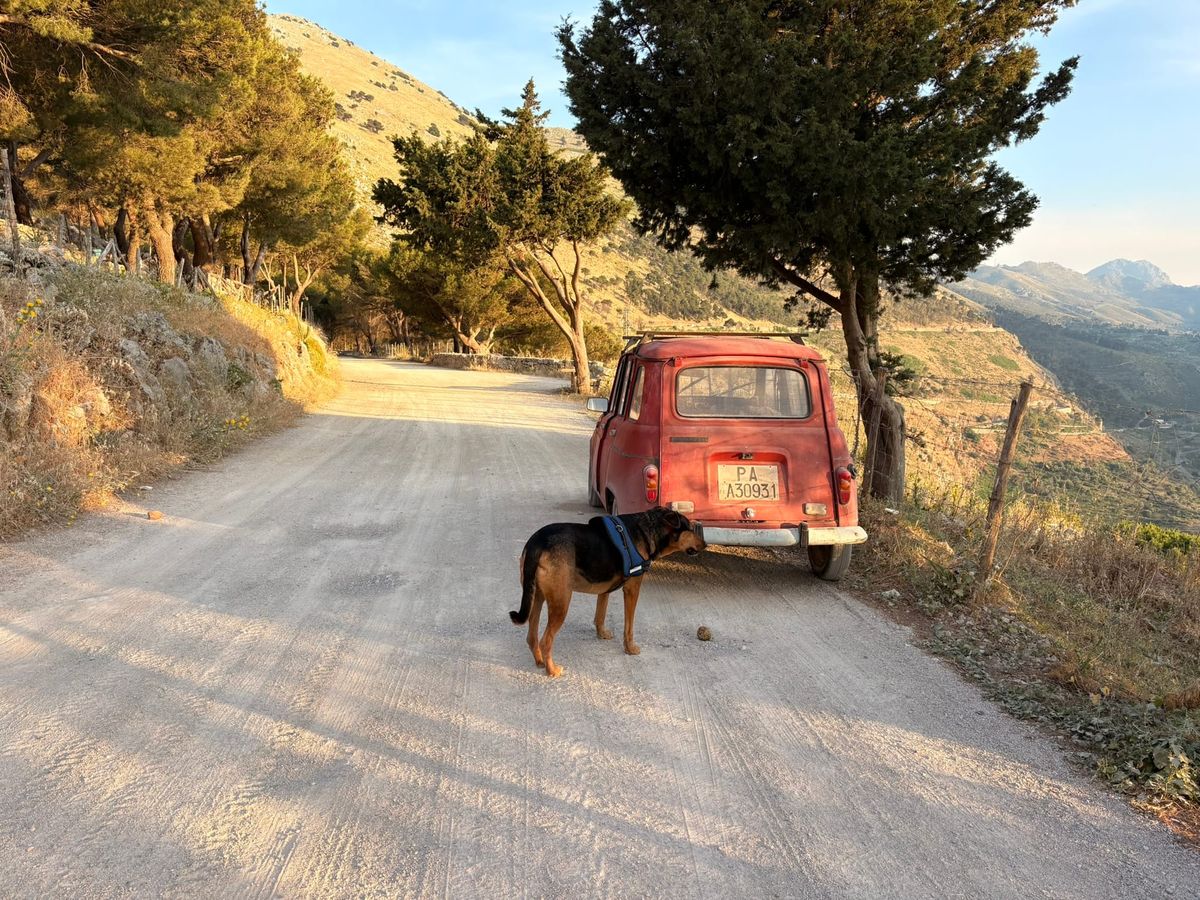
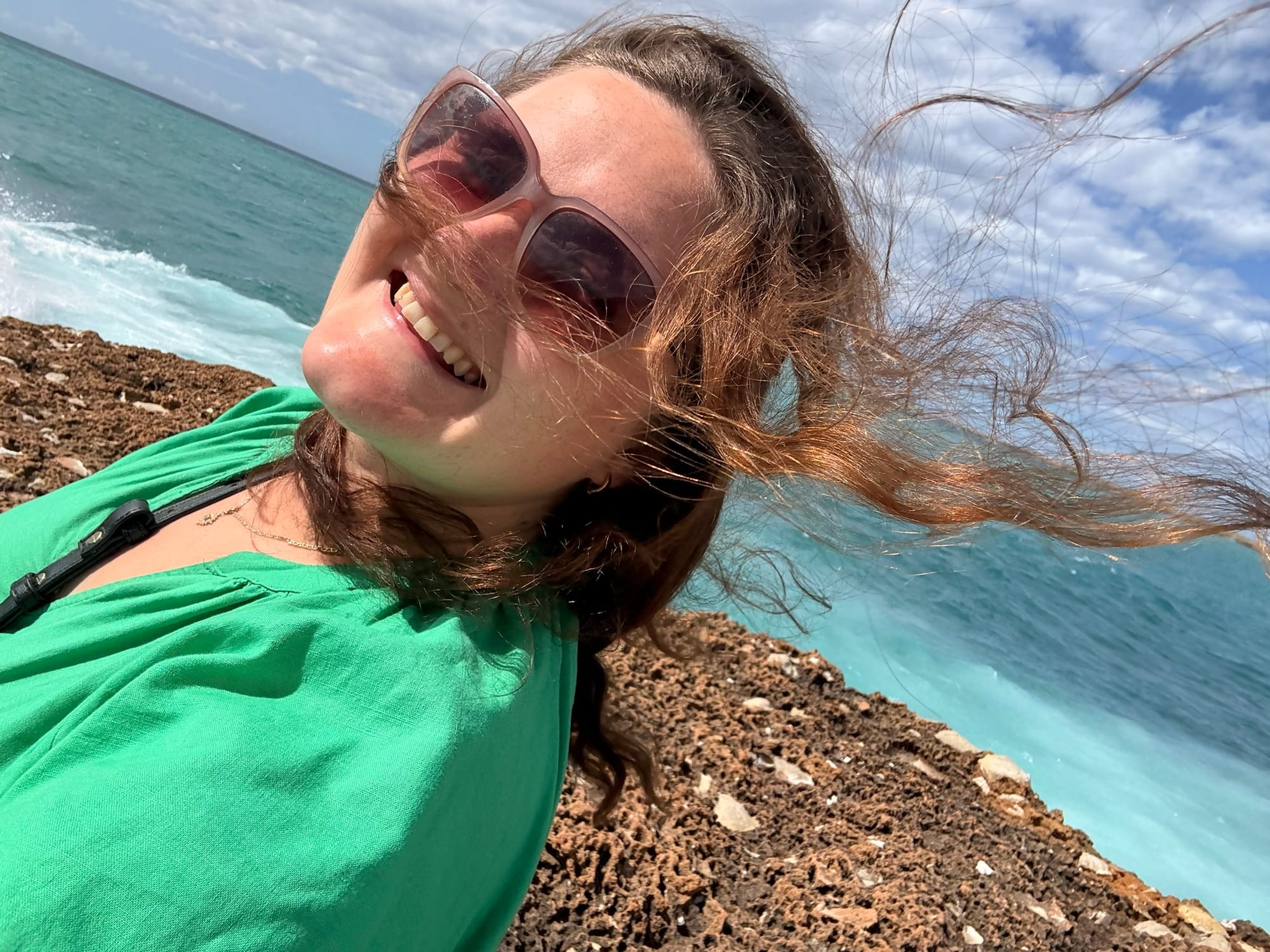
We have seen enormous winter waves, crazy winds and broken trees. Mostly, though, it is the sea that sticks in my memory. It gets very dramatic in winter and, because we are positioned fairly close to the water, the wind somehow manages to pick up sea spray and carry it all the way to our windows, even though we are quite high up.
Yep, that's a real thing. Washing salt water off your windows and car.
Though I must say here that this last winter was quite harsh in most of Europe, so many of the storms and dramatic waves were not so common for Sicily either.
The Sicily most foreigners don't expect
One thing that surprised us when we started exploring more of the island was how industrial parts of Sicily actually are.
People often arrive with a very clear picture in their mind. Beautiful stone villages, turquoise water, gorgeous beaches, fishing villages and old men sitting outside cafés smoking and playing cards. You know, the whole thing. And whilst all of that absolutely exists (yes, including the men), there is another side to Sicily as well.
The eastern side historically developed much more industry and infrastructure, particularly around places such as Catania, Augusta, Priolo and Siracusa. Large ports, industrial zones and petrochemical facilities became major parts of the local economy.
It is probably one of the biggest disconnects between the Sicily people imagine and the Sicily that actually exists. If you drive through some of these areas, it can feel very different from the version of Sicily most people picture before moving here.
The western side feels much more connected to agriculture, fishing and tourism. Palermo is obviously the exception. It is chaotic, urban, busy and economically important for the entire island.
Outside Palermo, you quickly find yourself back amongst vineyards, olive groves and smaller towns. Industry certainly exists, but it does not dominate the landscape in the same way. Overall, the western side feels much more connected to agriculture, tourism and daily local life.
Termini Imerese is an interesting example because it once played a much larger industrial role through Fiat. Today, however, it does not shape the identity of western Sicily in quite the same way that Augusta or Priolo influence perceptions of parts of the eastern side.
International attention
The eastern side has been on the international radar for much longer.
Places such as Taormina, Siracusa, Noto, Catania, Ragusa and Modica are already well known amongst international visitors and foreign property buyers. You hear more English, you come across more tourism infrastructure and, in certain areas, there is a stronger luxury tourism market.
The western side still feels more Sicilian-first in many places.
Palermo and Trapani are obvious exceptions, and Cefalù becomes extremely international during summer, but many towns along the western coast still feel primarily geared towards local life rather than international visitors.
That said, this is changing. As expats ourselves, we can definitely feel that more foreigners are discovering this side of the island as well. We hear more foreign languages than we did when we first arrived and towns such as Terrasini, Castellammare del Golfo and parts of Trapani province seem to be attracting increasing attention every year.
The numbers support that feeling. Sicily welcomed more than 21 million tourists in 2024 and foreign arrivals continue to grow. Palermo Airport handled almost 9 million passengers, while Trapani Airport also passed the one million mark.
Food and wine
There are also certain dishes, products and traditions that I immediately associate with one side of the island or the other.
On the western side, Arab and North African influences are much more visible, particularly around Trapani province. Couscous is probably the most famous example, but you also notice more tuna, sardines and seafood in general.
Trapani is also famous for pesto alla Trapanese, a Sicilian version of pesto made with tomatoes, almonds, basil and olive oil.
And whilst it is not exactly food, I cannot talk about western Sicily without mentioning the salt pans around Trapani and Marsala. They have become one of the symbols of this part of the island and are genuinely beautiful, especially around sunset.
The western side is also strongly connected to wine production. Marsala is obviously the most internationally famous example, but areas such as Menfi and Trapani province are also home to many historic wineries and vineyards.
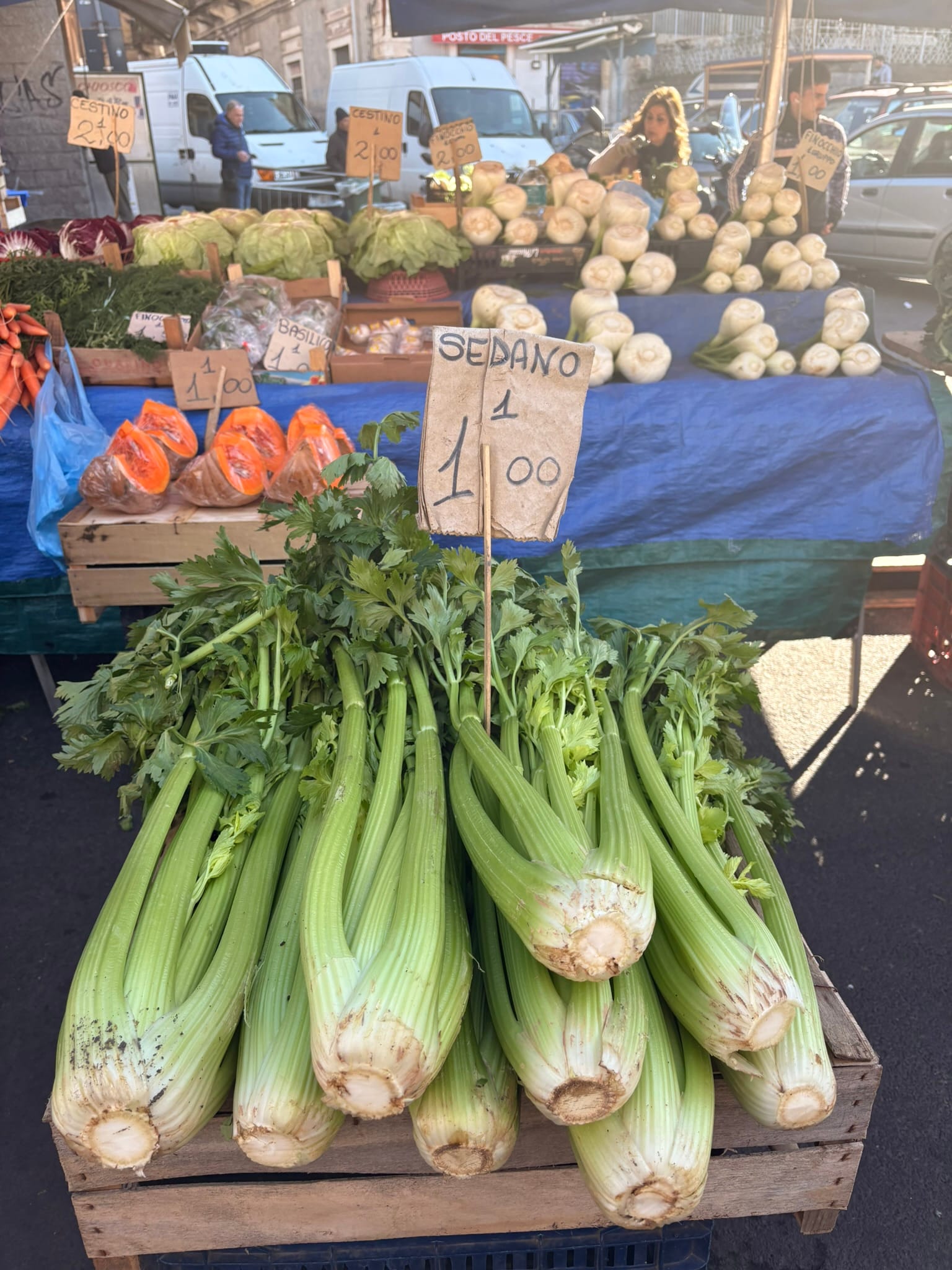
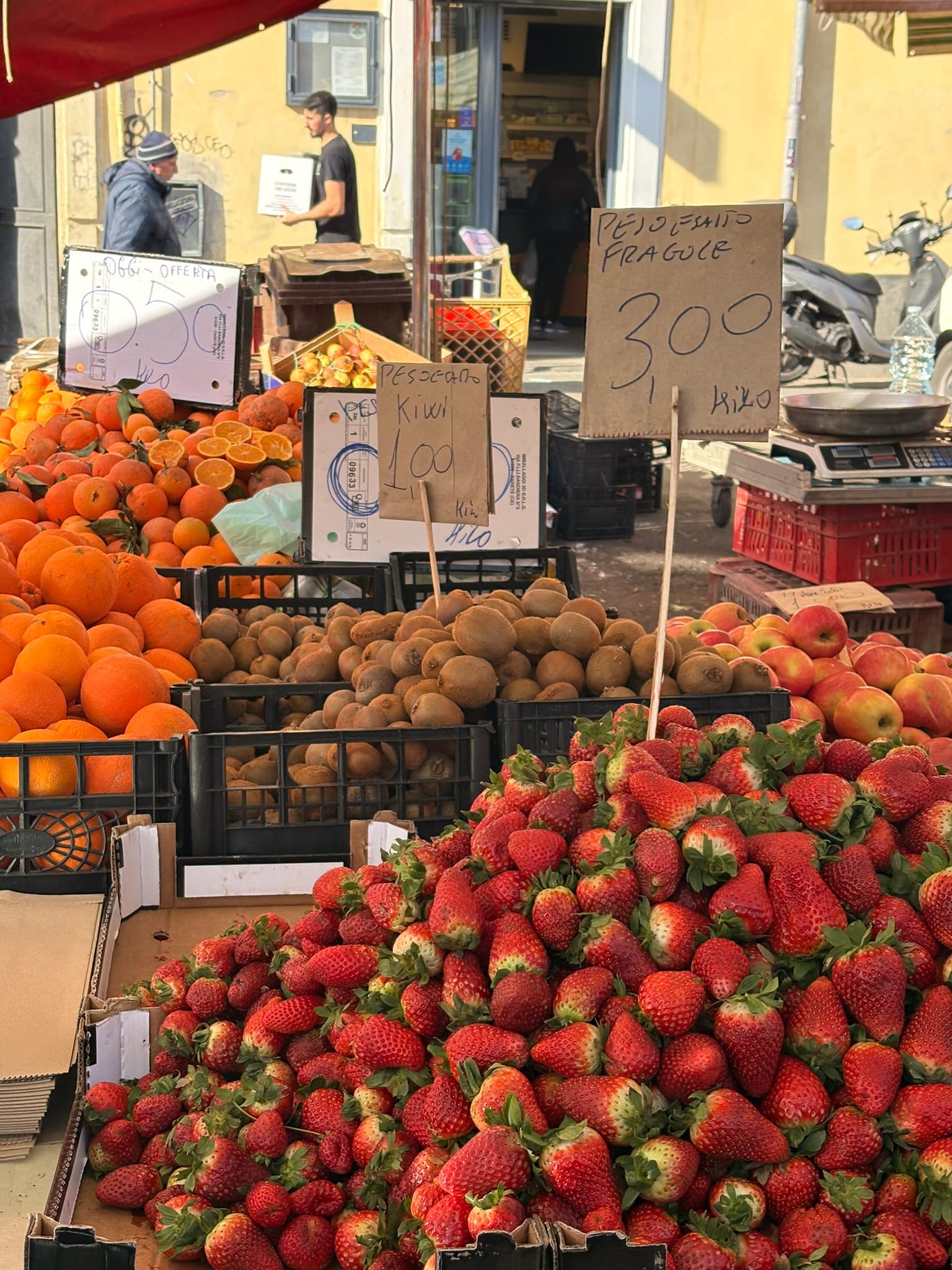
The eastern side has its own specialties. Almonds around Noto, blood oranges around Catania, seafood around Siracusa.
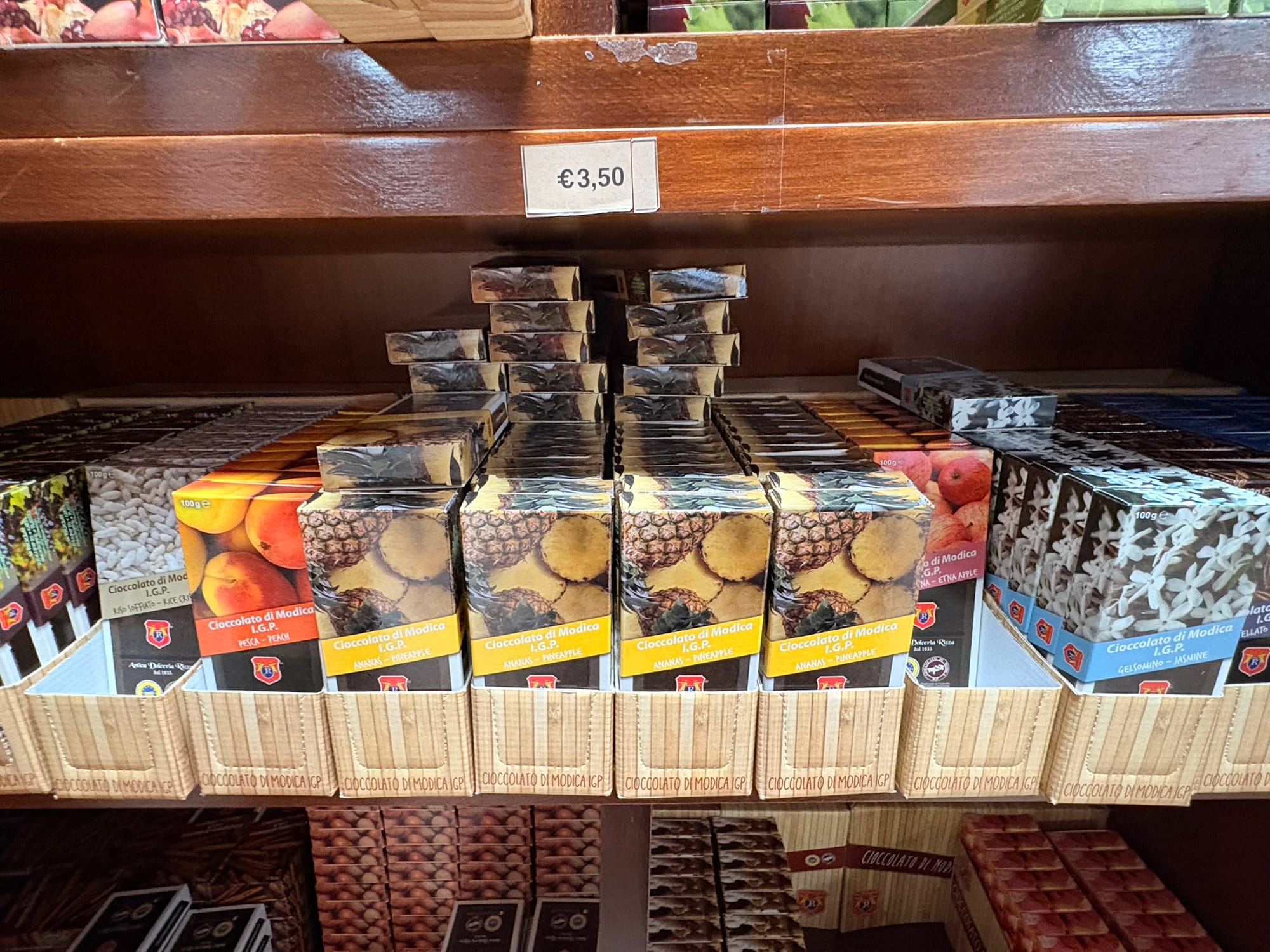
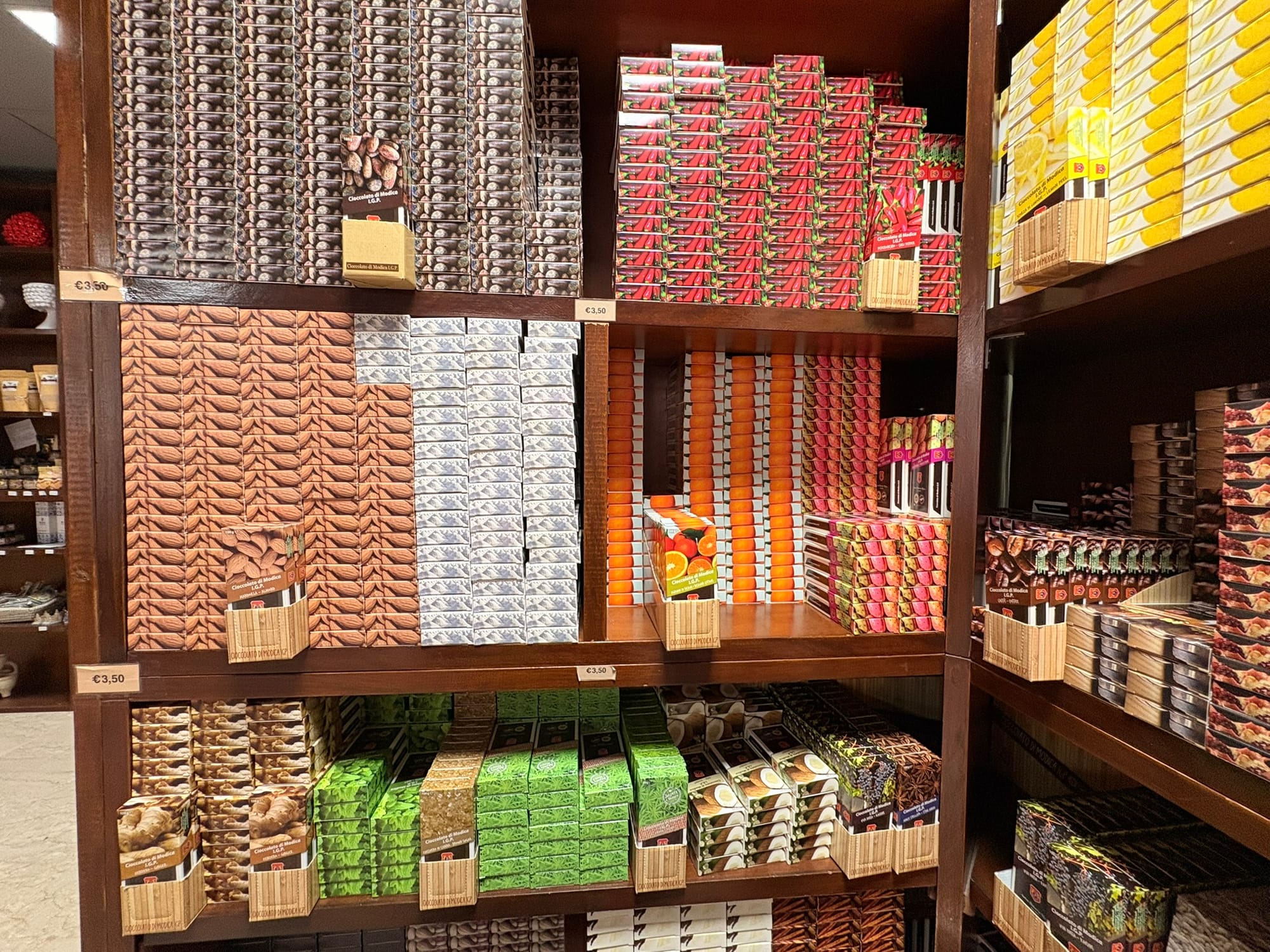
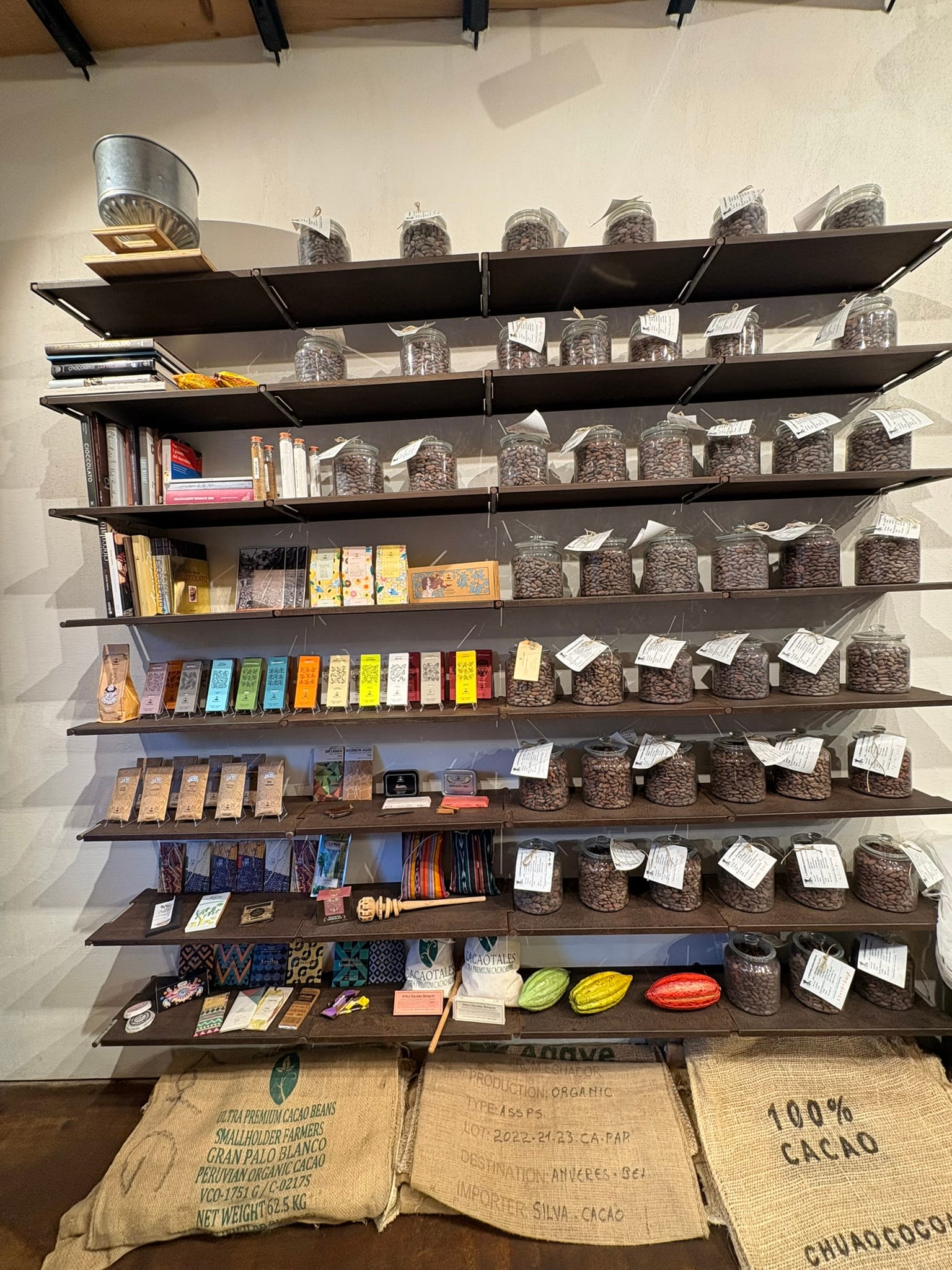
The famous Modica chocolate with its distinctive grainy texture and Spanish influence. Catania's street food culture that includes horse meat... that one usually surprises foreigners quite a bit 😂
The eastern side has also become internationally famous for Etna wines. The volcanic soil around Etna creates very distinctive characteristics and, over the last decade or so, these wines have become incredibly popular amongst wine enthusiasts.
But honestly, for me the real winner is still Nero d'Avola. This wine is strongly associated with south-eastern Sicily, particularly around Avola and Noto, and remains one of the most recognisable Sicilian wines internationally.
Etna wine lovers, please forgive me, I still order Nero d'Avola every time I see it.
Property and value for money
This is where the difference becomes particularly noticeable for people considering a move to Sicily.
The eastern side has already been discovered internationally. Places such as Taormina and Siracusa attract foreign buyers looking for holiday homes, investment opportunities and relocation properties.
You can definetley feel that in the prices. There is more competition, more tourism pressure in certain areas and fewer places that still feel undiscovered.
That does not mean there are no good opportunities. There absolutely are. But many of the most famous locations are already firmly on the international map.
Meanwhile, on the western side, we still regularly come across towns where international buyers have not fully arrived yet. That is one of the reasons why the western side can still offer very good value for money.
You can find yourself close to the sea, surrounded by countryside, near the mountains or within easy reach of Palermo and the airport without everything already feeling dominated by international demand.
For lifestyle buyers especially, we personally feel that the western side still offers more opportunities to find that slower Sicilian life many people imagine before moving here.
Why we chose the Palermo side
We did not choose the western side because we think the eastern side is worse. Not at all. In fact, you know how much we love some of the cities on the other coast.
For us, it was simply about lifestyle. We wanted a slower rhythm, less pressure and a calmer atmosphere whilst still having access to Palermo whenever we needed it.
Realistically, we still wanted restaurants, shopping, airport access, services and city life nearby. At the same time, we are not really city people so a smaller village made much more sense for us. Beaches, mountains, smaller towns, nature and slower daily life, but Palermo still there whenever you need a reminder of what chaos looks like. :D
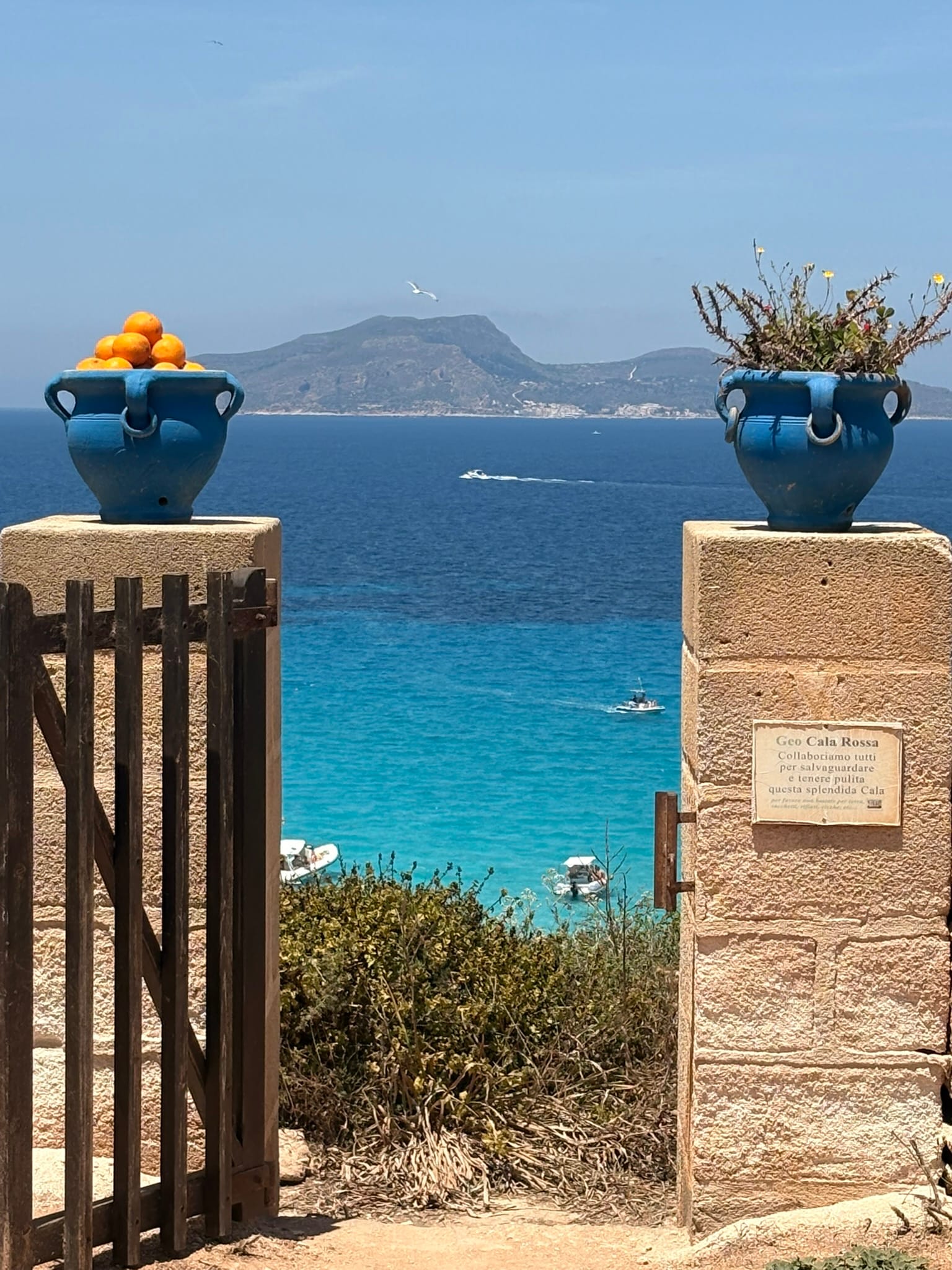
As you can see, our whole brand is based around Sicily. Moving here, living here, travelling around and simply enjoying all the beauty this island and the surrounding islands belonging to the region of Sicily have to offer.
So us choosing the West or, as we call it, the Palermo side is simply a personal preference. It really comes down to the lifestyle we wanted to build here.
But whichever city or side feels like yours, we still think Sicily is one of the most unique places we have ever experienced and it is an absolute privilege that we get to call it home.
I am writing this blog now on a Monday evening because, honestly, daytime now is reserved for beaches, filming beaches and then, usually, more beaches :D
I am sitting here looking at our lemon tree, which is somehow producing new lemons and blossoms at the same time, whilst the evening sky is still stubbornly blue outside.
And I am thinking that, amongst all the things I have done in my life, I must have done something right because I get to sit here, write another story about an island I love and share it with people from all over the world.
Truly. What a privilege. So thank you for reading this far and for following our journey.
Thank you for watching our little platforms slowly grow into something much bigger than we ever expected. And thank you for allowing us to keep sharing this beautiful corner of the world with you.
If you wish to see us talk about our experience on both coasts of Sicily in video, you can find it on our YouTube channel: https://youtu.be/hpScW6ssba0?si=azmOy07mOva4RAYg
And if you’d like to read more of our stories and everyday experiences here, consider subscribing to the blog. We truly appreciate every single one of you.
As always, tips are never expected, but always appreciated https://spark-of-sicily.ghost.io/#/portal/support
Thank you for reading, and see you in the next one.
Ciao.