The Oldest Chocolate Factory in Sicily and the Aztec Secret of Modica
Some experiences are beautiful. And some feel like you were quietly allowed into something sacred that has been alive for centuries.
Our visit to Antica Dolceria Bonajuto in Modica was the second kind.
Yes, it is the oldest chocolate factory in Sicily. Yes, it is well known. But what made it unforgettable was not the reputation. It was the people, the history, and the feeling that nothing here exists for show.
We were welcomed by Mr. Ruta himself, whose family has been running this place for six generations. Six generations of the same craft. We asked many questions. About cocoa. About temperature. About history. About texture. He answered every single one of them with depth and patience.
We felt incredibly privileged to witness something that has been bringing joy to people across six generations.
And you feel that weight the moment you step inside.
Inside the Bakery
Before we even got to the chocolate workshop, we were taken into the bakery.
Hairnets. Lab coats. The full transformation.
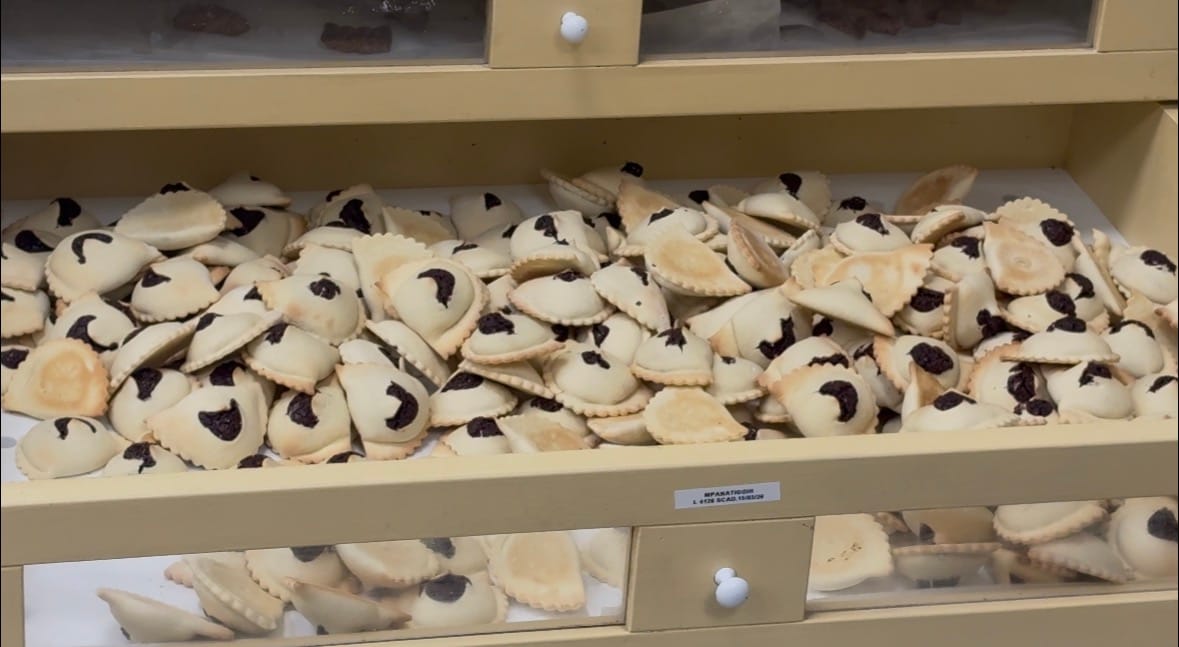
Traditional Modican pastries are still made here by hand. We saw trays of nucatoli coming straight out of the oven. S-shaped cookies filled with almonds, honey, and dried fruit.
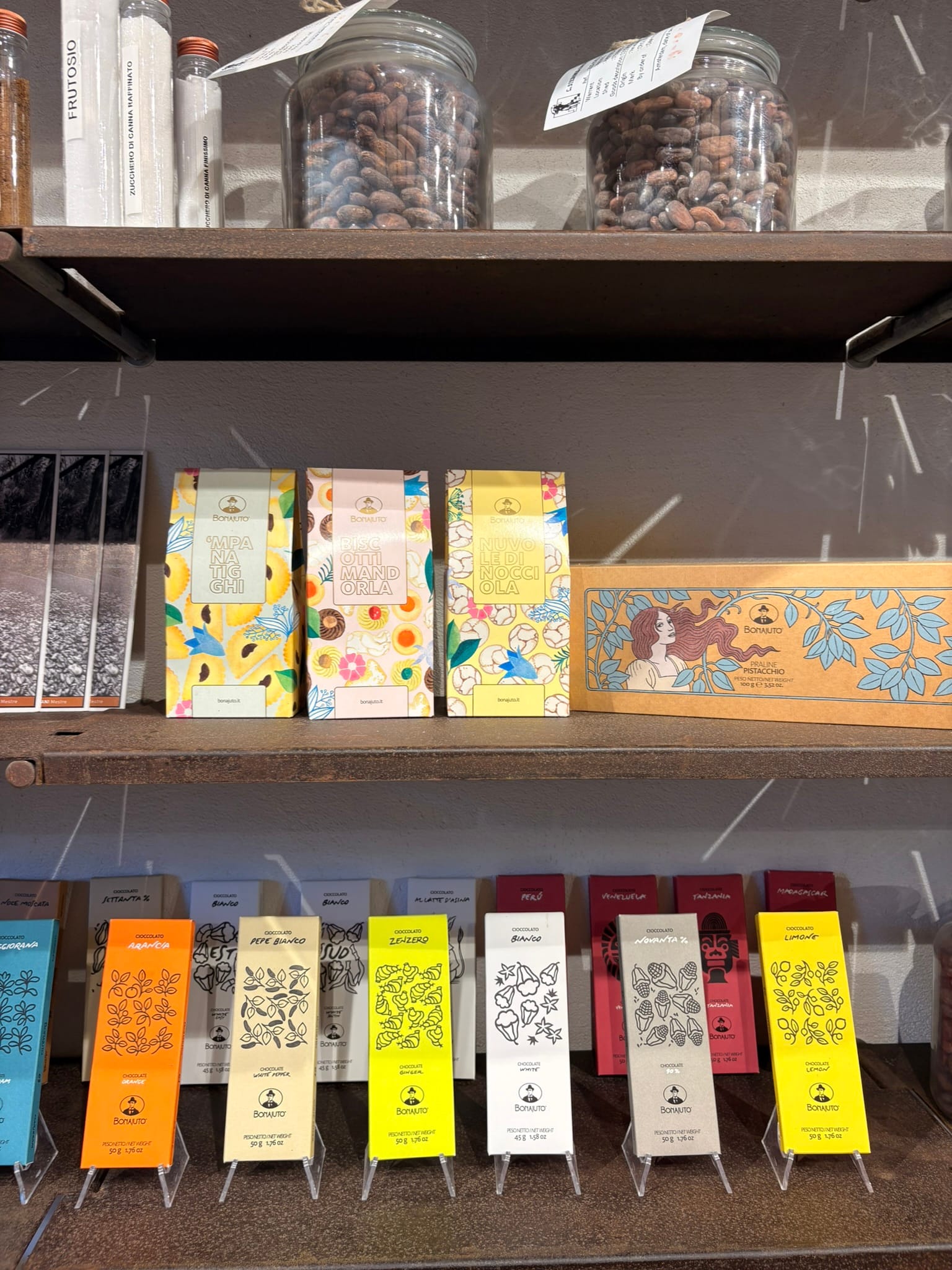
And then there are the famous mpanatigghi. The pastry that surprises everyone. Meat and chocolate.
It sounds unusual today, but during the Spanish period it was clever and practical. Chocolate was not only about flavor. It helped preserve the filling and added energy. These pastries were designed for long journeys and long days of work.
Modica has a way of holding on to tradition without turning it into theatre. Nothing felt staged. Nothing felt curated for tourists. It felt lived in.
From the Aztecs to Sicily
This is where the story becomes even more interesting.
The production method of Modica chocolate traces back to the Aztec civilisation in Central America. For the Aztecs, cocoa was sacred. It was consumed as a bitter, spiced drink, often mixed with chili and other spices. Cocoa beans were so valuable that they were even used as currency.
When the Spanish arrived in the Americas, they brought cocoa and the method of preparing it back to Europe. At that time, Sicily was under Spanish rule. That is how this technique reached Modica.
And here is what makes it different.
Modern chocolate production uses high temperatures and long conching processes that fully melt the sugar and create a smooth, glossy texture.
Modica does not follow that path.
The cocoa mass is heated only to around 40 to 45 degrees Celsius. The temperature is intentionally low. The sugar does not fully melt. The crystals remain inside the chocolate.
That is why Modica chocolate has its characteristic grainy, slightly crunchy texture, the signature of the method.
There is no industrial smoothing. No attempt to make it perfectly silky. The result feels more direct. More honest. Closer to cocoa in its original form. And, no less important, the low temperature process keeps more of the valuable parts of the cocoa intact.
Cocoa naturally contains antioxidants called flavonoids, which are linked to heart health and better circulation. It is also a source of magnesium and iron. Because Modica chocolate is not exposed to high industrial heat, more of these compounds are preserved.
Of course, it is still chocolate and still a treat. But compared to heavily processed bars, it stays closer to cocoa in its original form.
And you can taste that difference.
We tasted a roasted cocoa bean before sugar was added. It was intensely bitter. Sharp. Real. And it made you understand what cocoa truly tastes like before it becomes a sweet comfort food.
Technically, as Pierpaolo explained to us, it is not even considered chocolate until sugar is added. Even a small amount is what turns pure cocoa mass into the treat that has been bringing joy to people for centuries. Not to mask it. Not to overpower it. Just to complete it.
Another important detail is the status Modica chocolate holds today. Cioccolato di Modica has IGP recognition from the European Union. IGP stands for Indicazione Geografica Protetta, or Protected Geographical Indication. This means that to be officially called Modica chocolate, it must be produced in Modica following the traditional low temperature method. The texture, the process, and the identity are legally protected.
It is not just a style. It is a place.
In the Shop
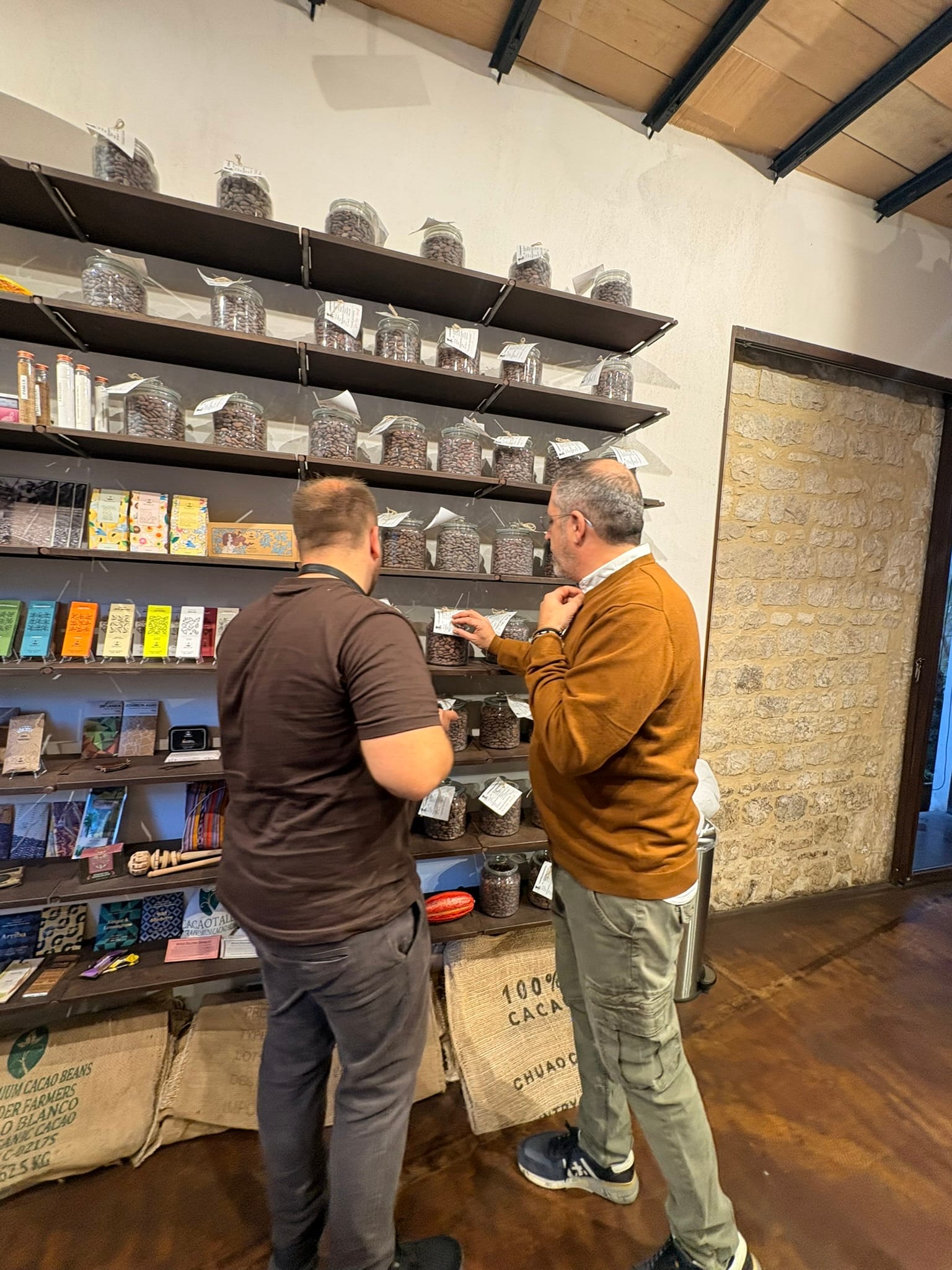
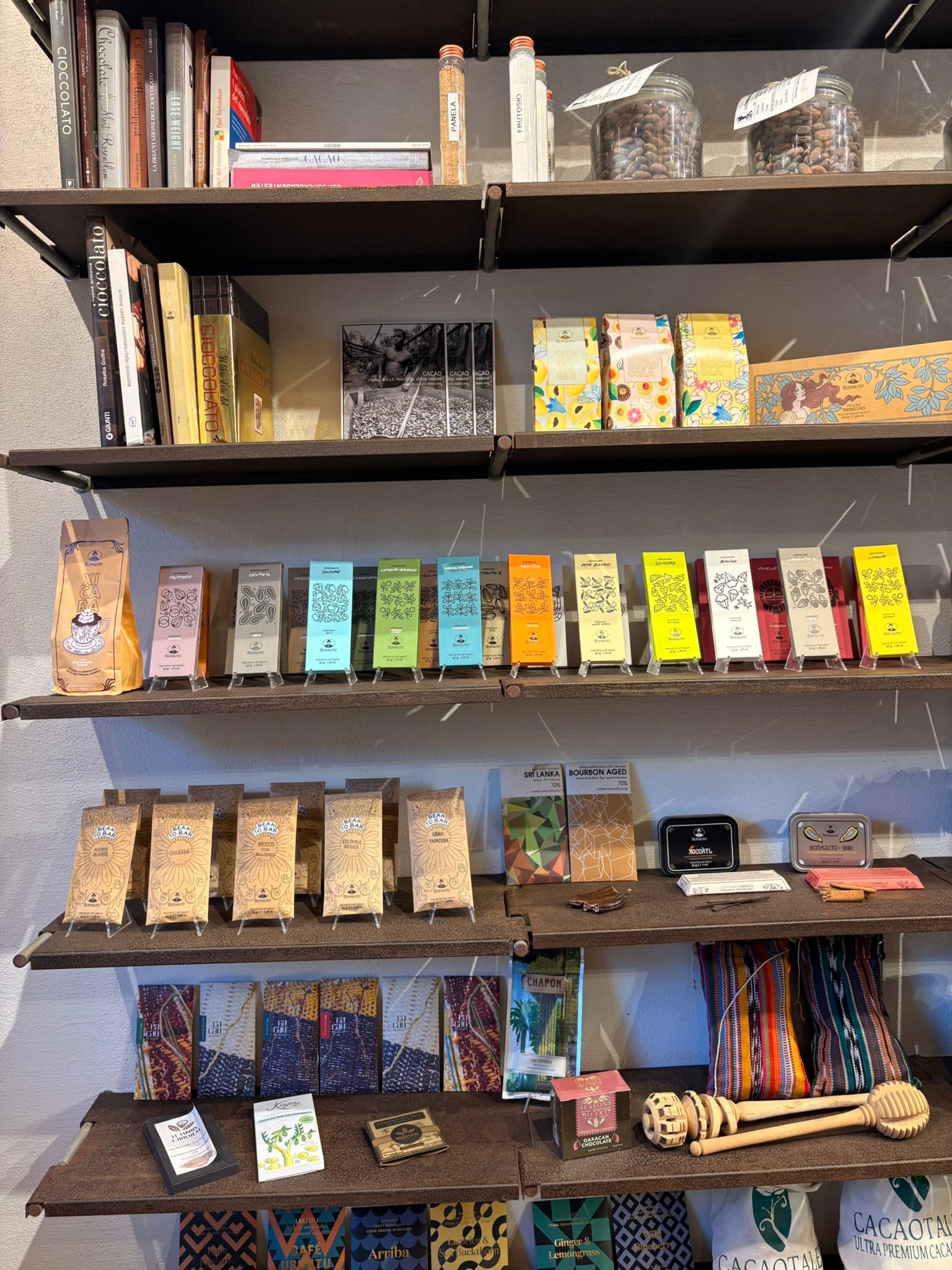
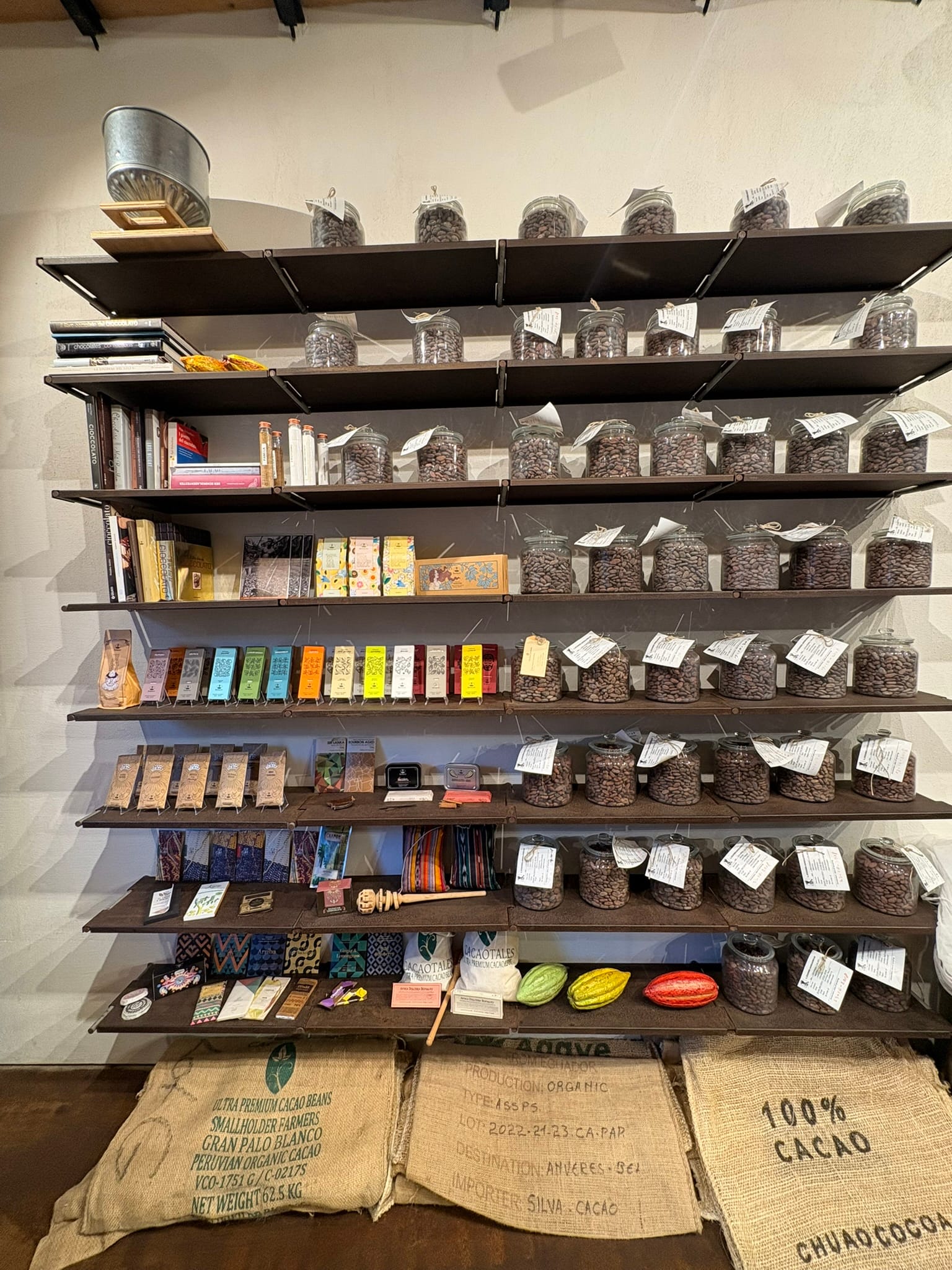
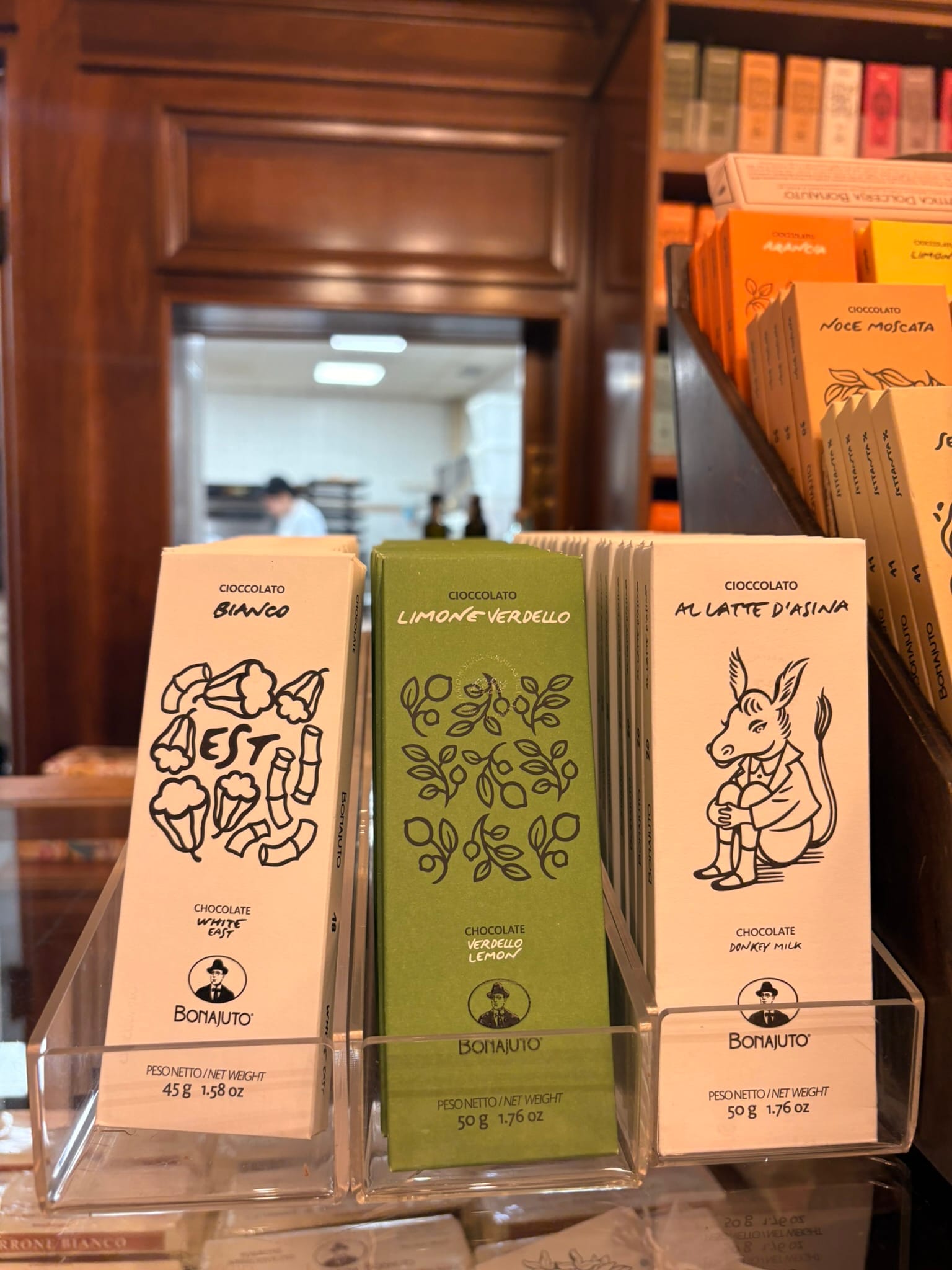
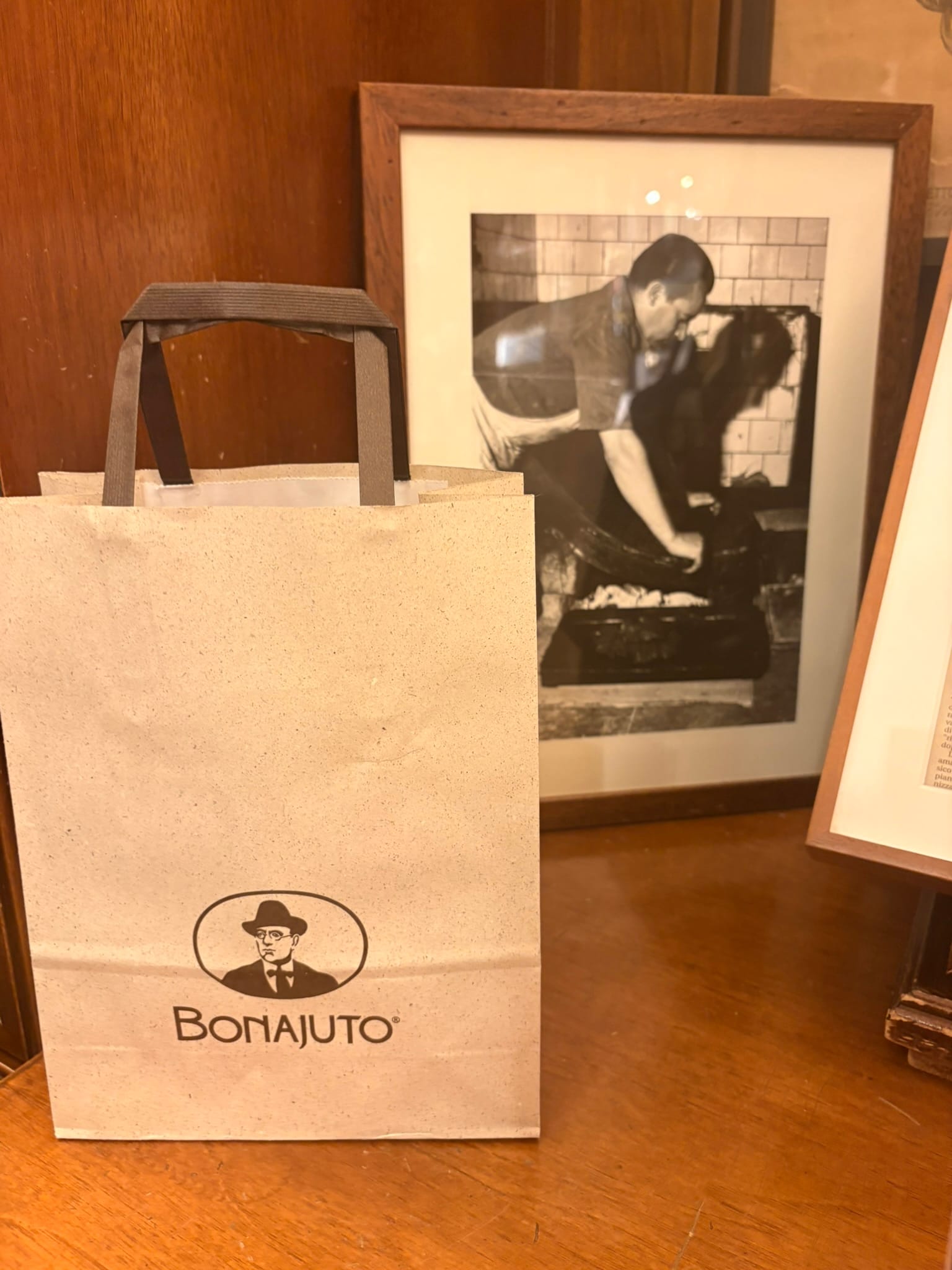
After the workshop, we returned to the shop, and it was constantly full of people. Always a good sign.
The staff were genuinely kind. Not overly polished. Just warm. Present. Proud of what they were selling.
Some of the employees we met had been working there for over twenty years. Some even longer.
That alone tells you something about a company.
People do not stay for decades in a place that does not respect them. Or value them. Or feel like home.
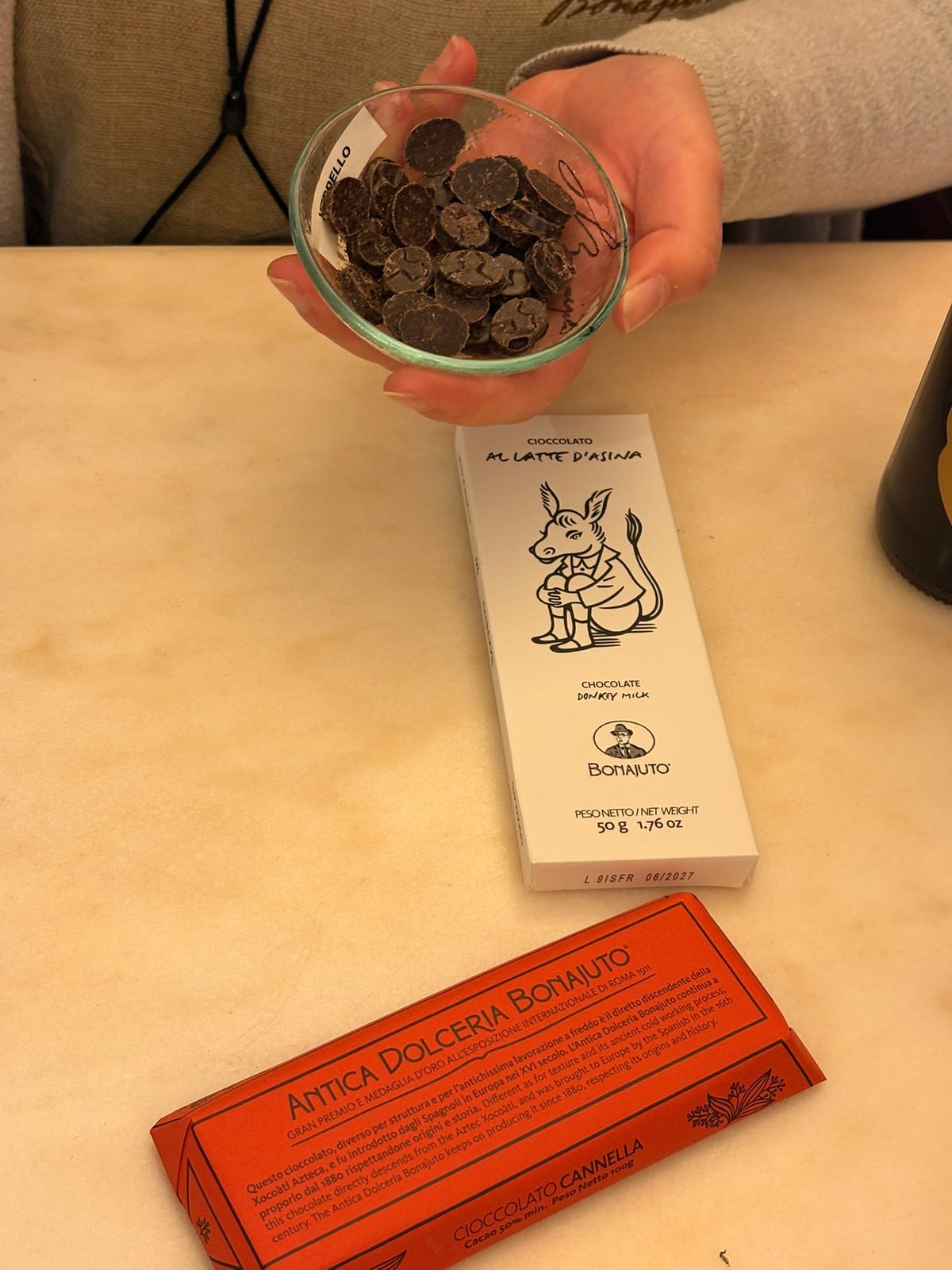
We tried several flavors. Cinnamon was our absolute favorite. Also Pierpaolo’s favorite, which felt like confirmation. We also loved the Peru and lemon versions. Jasmine surprised me in the best way.
By the time we recorded the voiceover a week later, most of the chocolate was already gone.
Except for a few pieces we bought as gifts.
Those are still safe. For now.
Modica Itself
We did not have much time to explore Modica properly during this visit. The chocolate tour and a few work commitments filled most of the day.
But the city itself added something powerful to the experience.
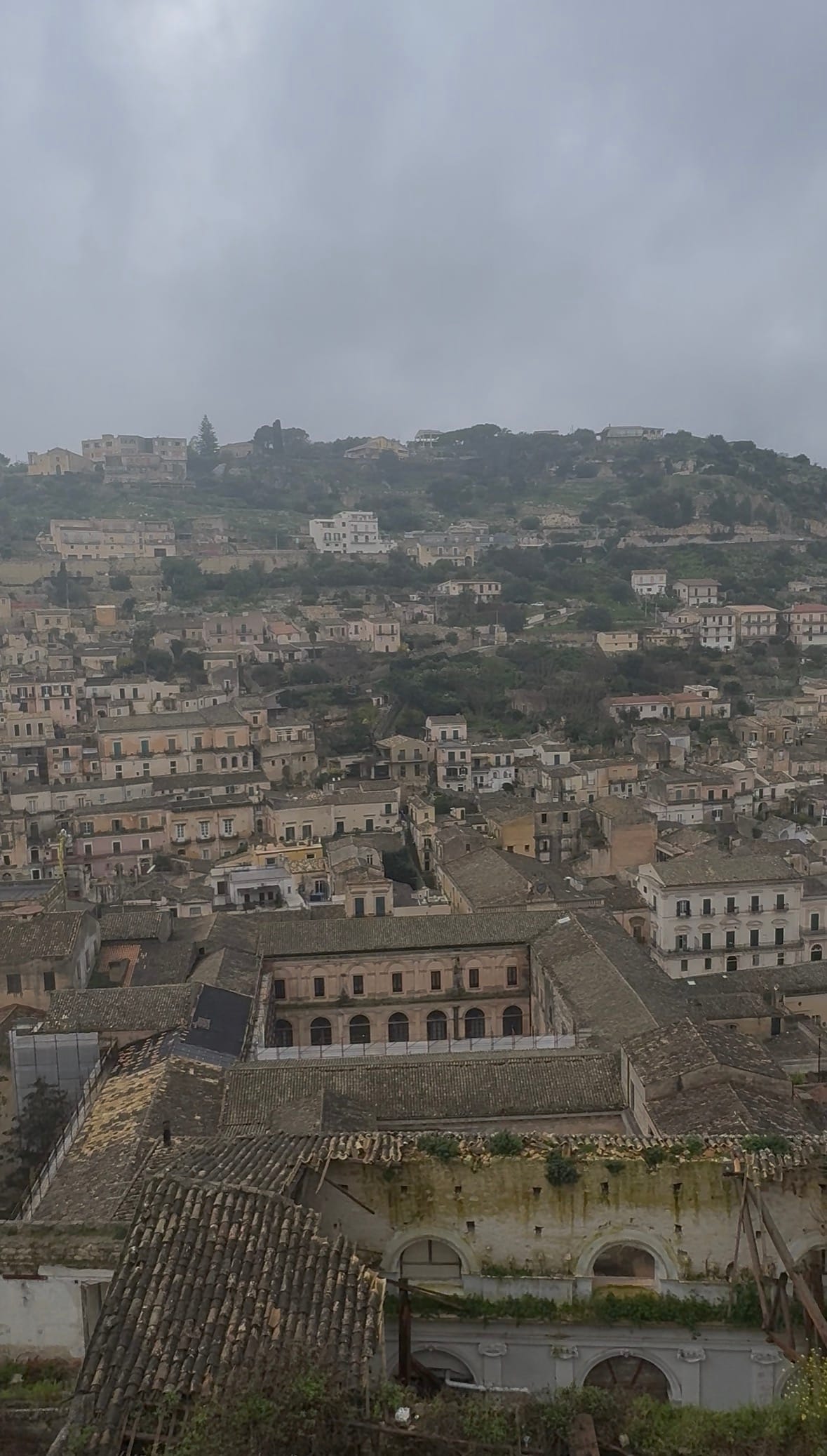
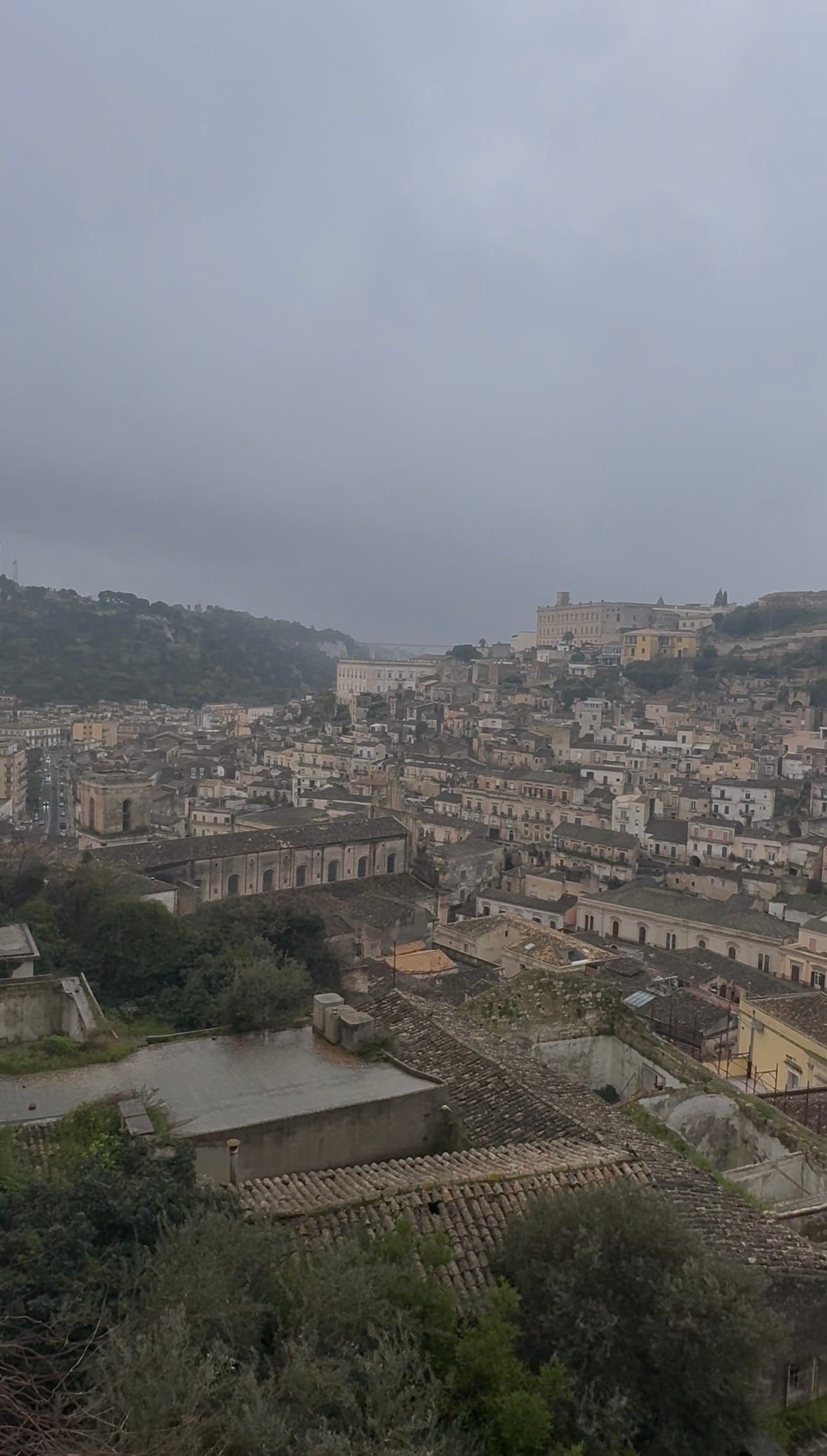
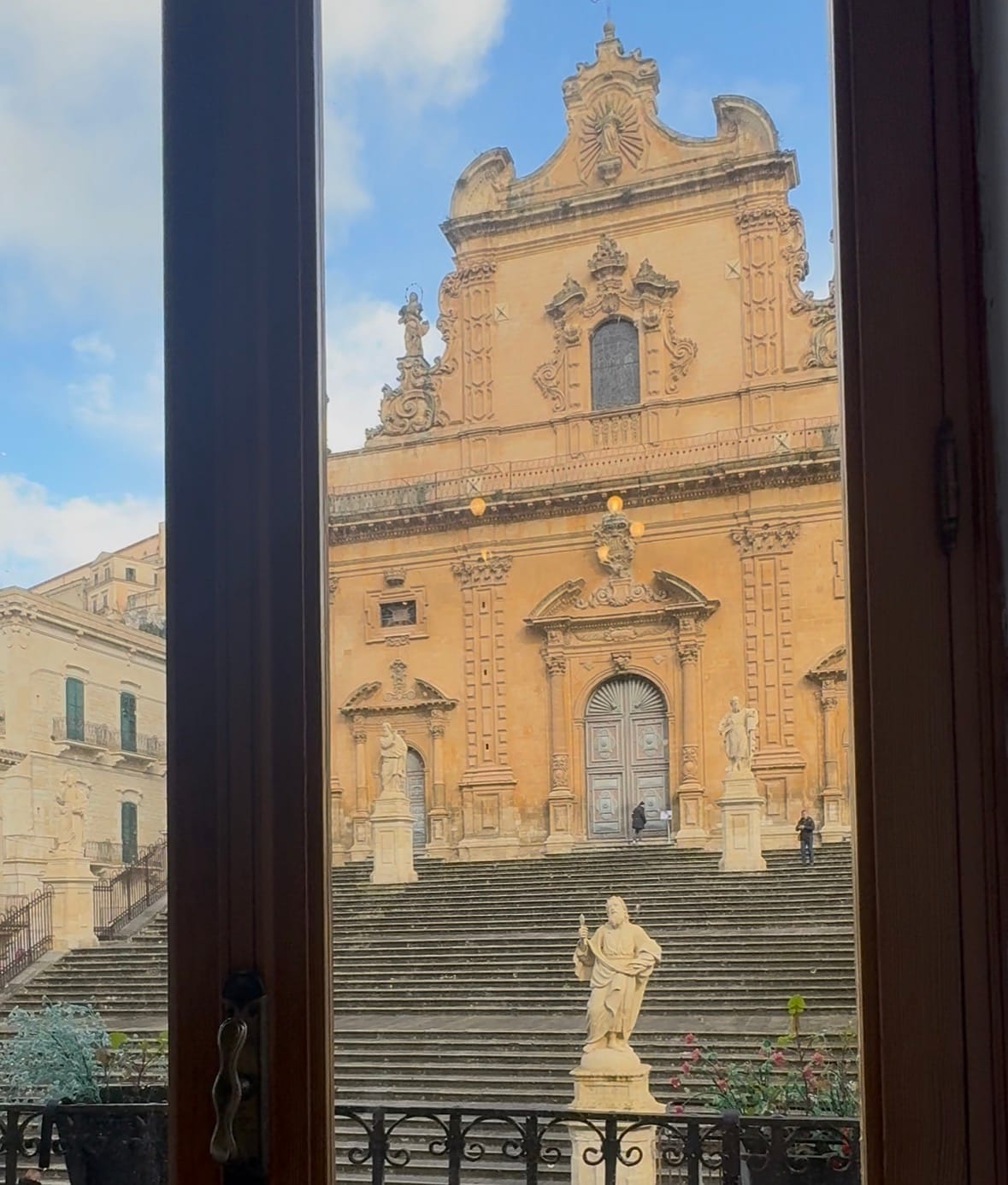
Modica is built into the mountains. Layered. Historical. Deeply lived in. There is no artificial gloss. No perfectly staged corners. Just stone, light, stairs (many of them), balconies, and everyday life unfolding.
We have already booked a hotel for another visit in late April. This time we are coming back properly. And you can expect much more about Modica and the neighbouring Ragusa, which has quietly stolen my heart in a similar way.
There are many famous places in Sicily, and they are absolutely famous for a reason.
But for some reason these two cities in particular have stayed with me. There is something about them. A historical, lived in mountain city magic. I cannot fully put my finger on it yet.
Maybe I do not need to.
We Will Be Back
We will definitely return to Antica Dolceria Bonajuto. And soon.
Partly because we are already out of chocolate.
But mostly because places like this deserve more than one visit. They deserve time. Attention. And gratitude.
If you are planning a trip to Sicily, put Modica on your list. Not only for the chocolate. But for the story that traveled from the Aztecs, through Spain, and found a permanent home in this mountain city.
If you wish to see our experience in video, you can find it here: https://youtu.be/FS8wKnbf7ns?si=AXq_owGPrpe10ZTn
And if you’d like to read more of our stories and everyday experiences here, consider subscribing to the blog. We truly appreciate every single one of you.
As always, tips are never expected, but always appreciated https://spark-of-sicily.ghost.io/#/portal/support
Thank you for reading, and see you in the next one.
Ciao.