Corleone Beyond The Word “Mafia”

We did not plan to be in Corleone that week. We were supposed to be on the other side of the island. Catania. Syracuse. The east coast.
Then Storm Harry arrived.
We followed the situation closely. News updates, local reports, messages from people we know. The scale of the damage in the east was shocking. Flooded towns, destroyed roads, collapsed roofs. It became immediately clear that travelling there was not just impractical, but inappropriate.
While parts of the west coast, including Terrasini, were largely unaffected, the contrast felt uncomfortable. Life here continued almost as normal, while others were dealing with real loss and disruption.
So instead of forcing a plan that no longer made sense, we stayed put and chose to finally visit a place we had postponed for a long time.
Corleone.
Not because it is easy content. Not because it fits neatly into a travel narrative. But because Corleone sits at the centre of a story the world keeps telling about Sicily, often without nuance, and almost always without balance.
And for me, it was important to start from the very beginning.
When Sicily and mafia became synonyms
I honestly do not know when the world decided that Sicily equals mafia. Or that Sicily somehow created organised crime. Or that this island is more criminal, more dangerous, or more corrupt than anywhere else.
What I do know is that this is not true.
Organised crime exists in most countries. It exists in corruption within state institutions, in financial crime, in the drug trade, dark web, unspeakable crimes and in politics. If you believe your country does not have it, that belief is comforting, but unrealistic.
Sicily did not invent organised crime.
What happened here was different. In the second half of the twentieth century, organised crime in Sicily became public. Violence was not hidden. Murders were meant to be seen. Fear was part of everyday life, not whispered about, but openly imposed.
That visibility shaped everything that followed.
A specific period, not an eternal truth
When people talk about “the Mafia in Sicily,” they are usually referring to a very specific historical period.
The most violent and publicly visible phase of Cosa Nostra took place roughly between the late 1970s and the early 1990s. During these years, internal power struggles escalated into open warfare. Murders were deliberate acts of intimidation, designed to control not just individuals, but society itself.
In the 1980s alone, Sicily saw hundreds of mafia-related killings each year. Judges, prosecutors, police officers, journalists, politicians, and ordinary civilians were targeted. The assassinations of Giovanni Falcone and Paolo Borsellino in 1992 marked a turning point, triggering an unprecedented public response against organised crime.
This period left a deep scar. Not only because of the violence itself, but because it unfolded in full view of the public. That is why Sicily’s image became so tightly bound to the Mafia, even as reality continued to change.
Corleone became infamous not because it was uniquely criminal, but because a particularly ruthless faction gained power here during that time. The town’s name travelled far beyond Sicily, detached from the lives of the people who actually lived there.
Traces of a violent past
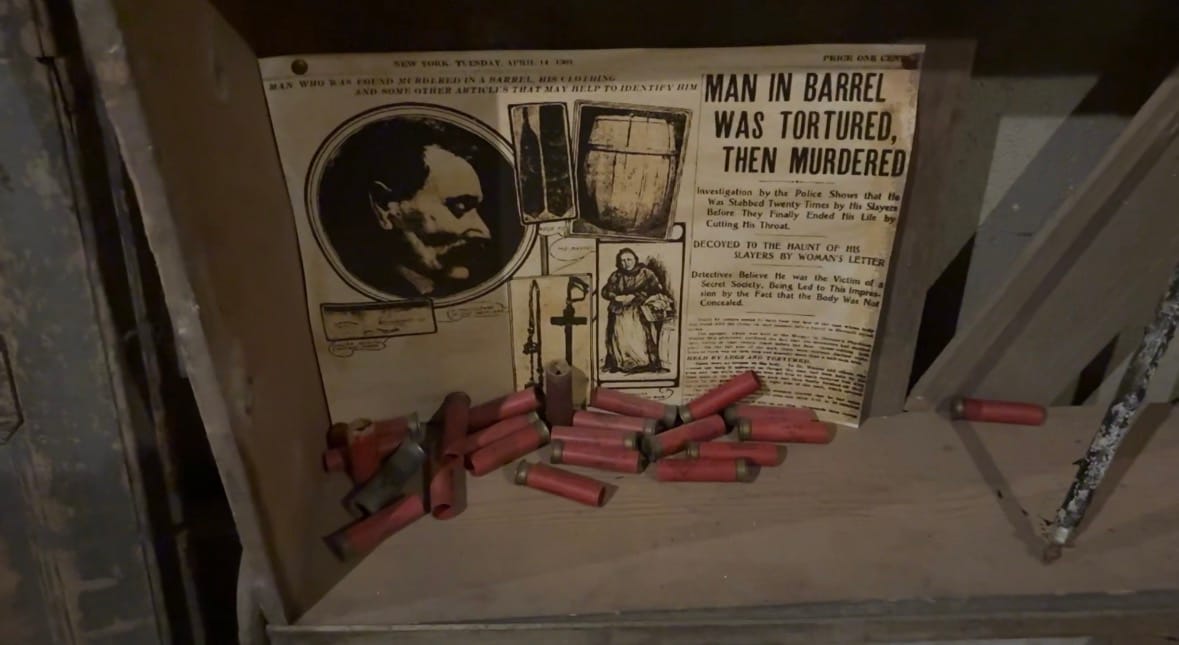
During our visit, the official Anti-Mafia Museum was closed. Instead, we were able to film inside a privately owned house museum. The owner bought the house and later discovered letters, photographs, and personal correspondence left behind by an aristocratic family who once lived there.
Those documents were quietly devastating.
They showed that even wealthy, respected families lived under constant pressure. Protection payments were not optional. Safety was not guaranteed. No one was untouched. No one was immune.
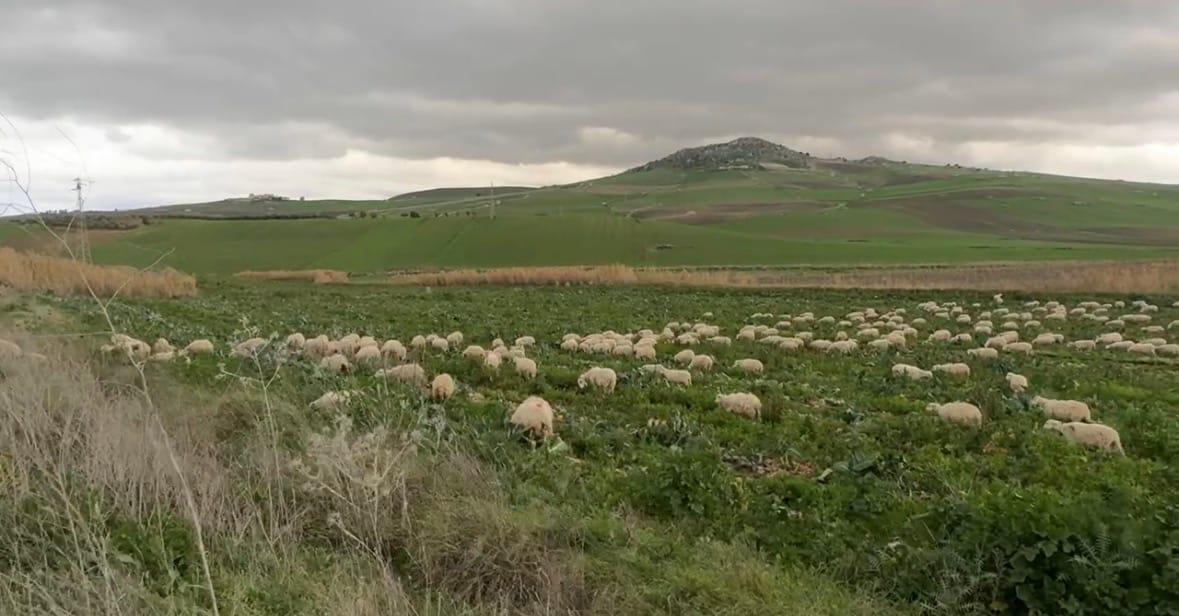
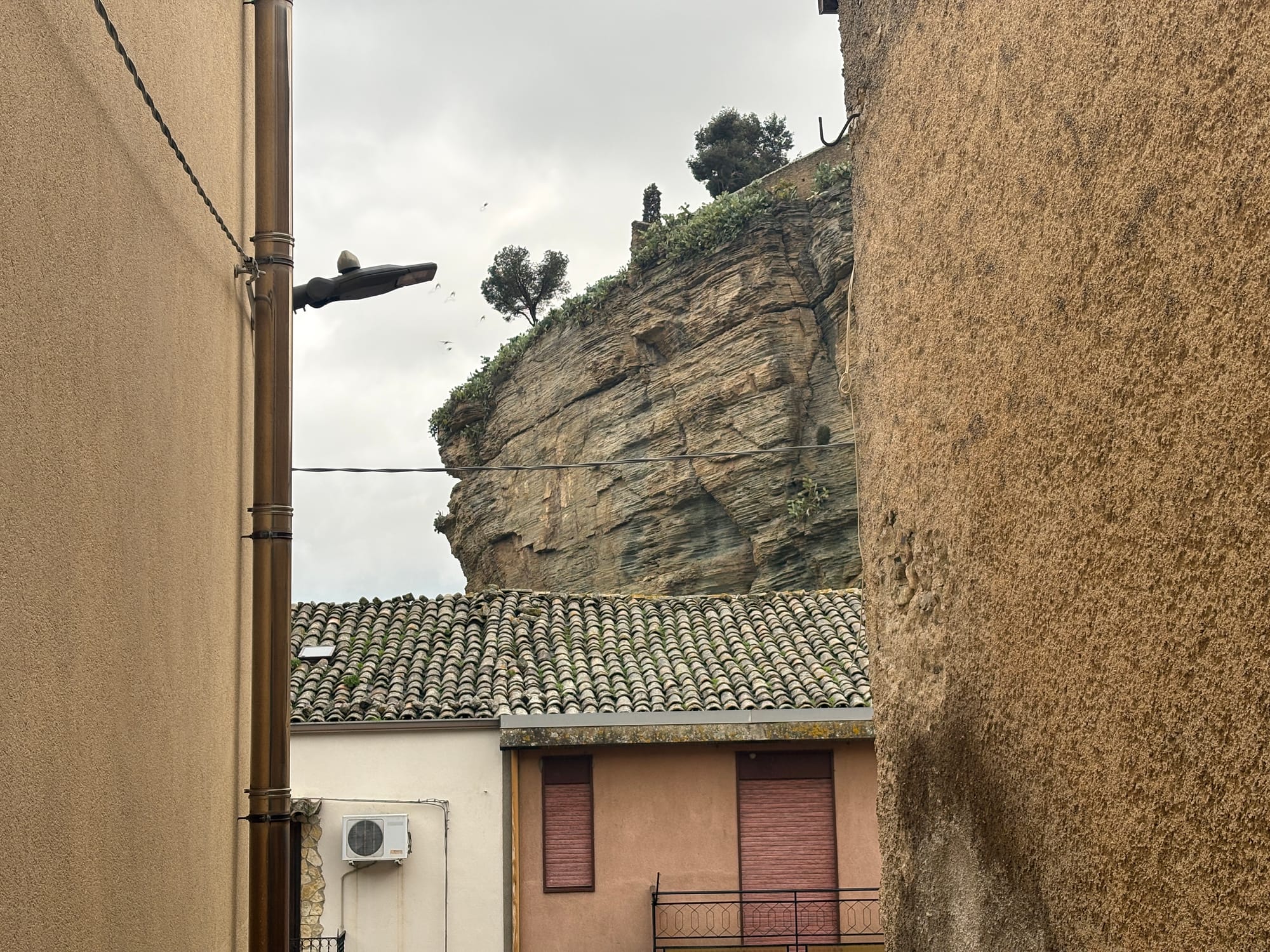
The landscape around Corleone still carries traces of that time. The cliffs and rough terrain were used to hide bodies. Not symbolically. Literally. That is what “out in the open” meant here. Fear was part of the physical environment.
Cinema later turned this reality into something else entirely. Romance. Power. Seduction. A myth that travelled far further than the truth ever did.
The reality was violent, chaotic, and cruel. Families destroyed. Communities traumatised. Lives ended. There was nothing cinematic about it.
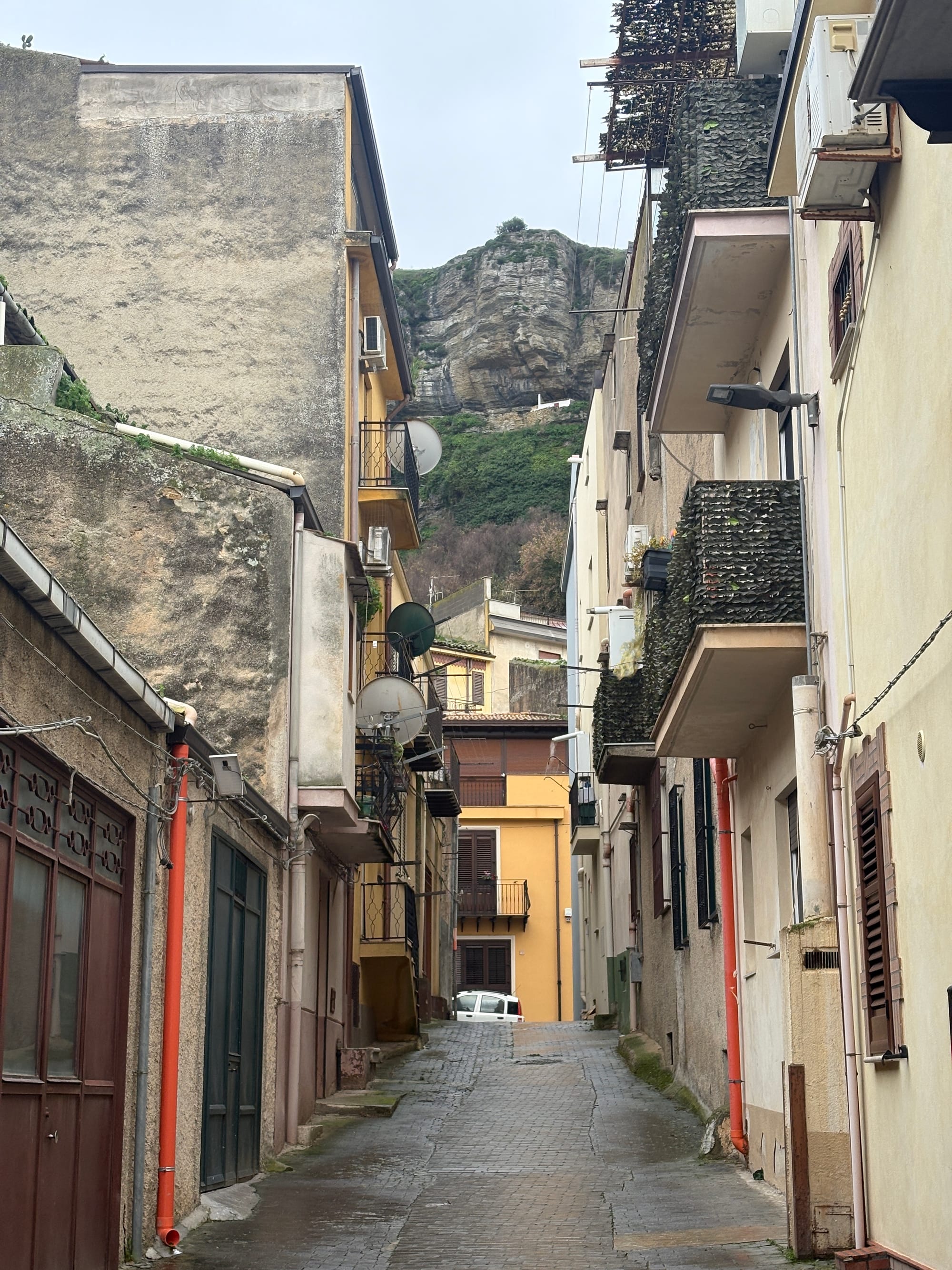
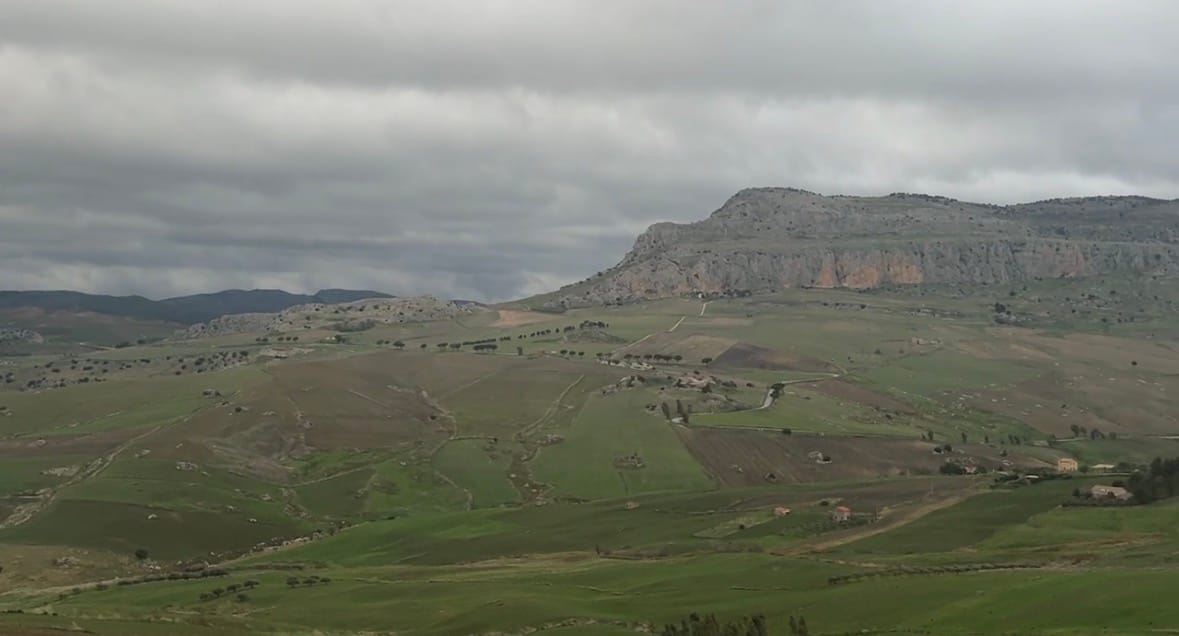
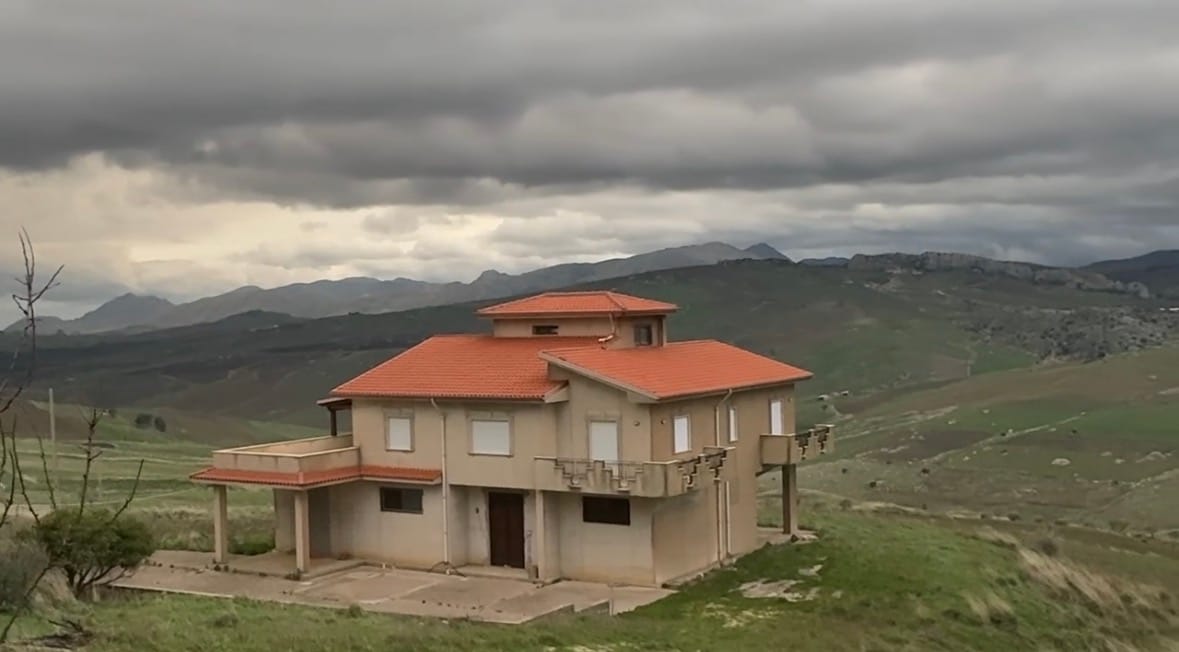
Corleone today
Corleone today feels very different.
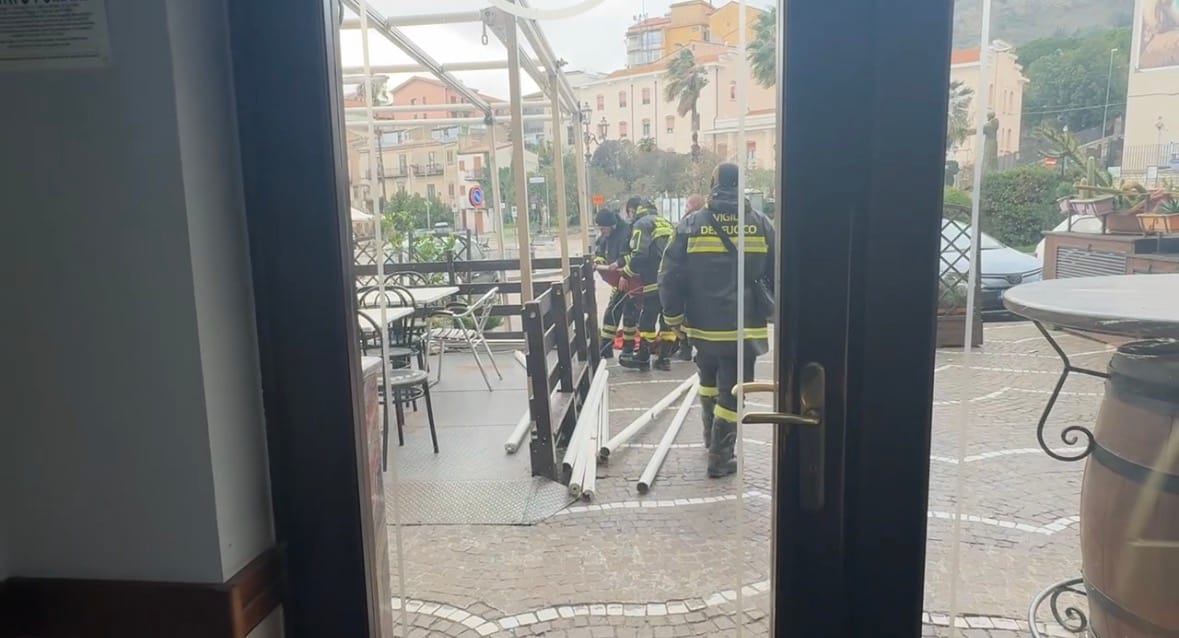
What stood out most to us was the sense of community. During the storm, we saw firefighters helping a local cafe after part of its roof collapsed. People checked on each other. There was no spectacle. Just practical care.
People here are direct. Grounded. Open in a way that does not try to impress.
This place does not deny its past. But it does not live inside it either. Because the violence was once so public, the response became public too. Education. Awareness. A refusal to stay silent.
Corleone is not a legend. Not a film set. It is a town with real people and real daily life.
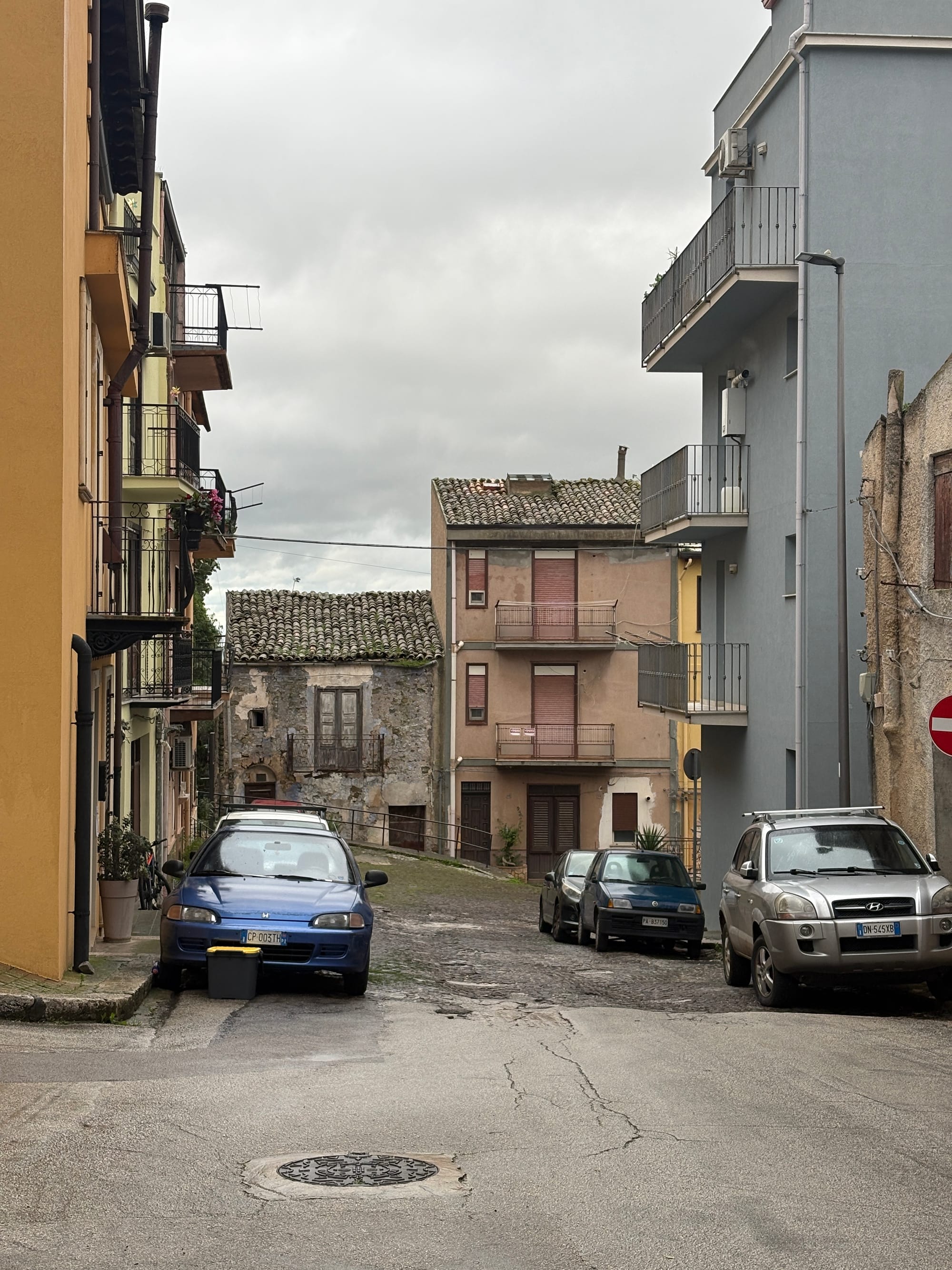
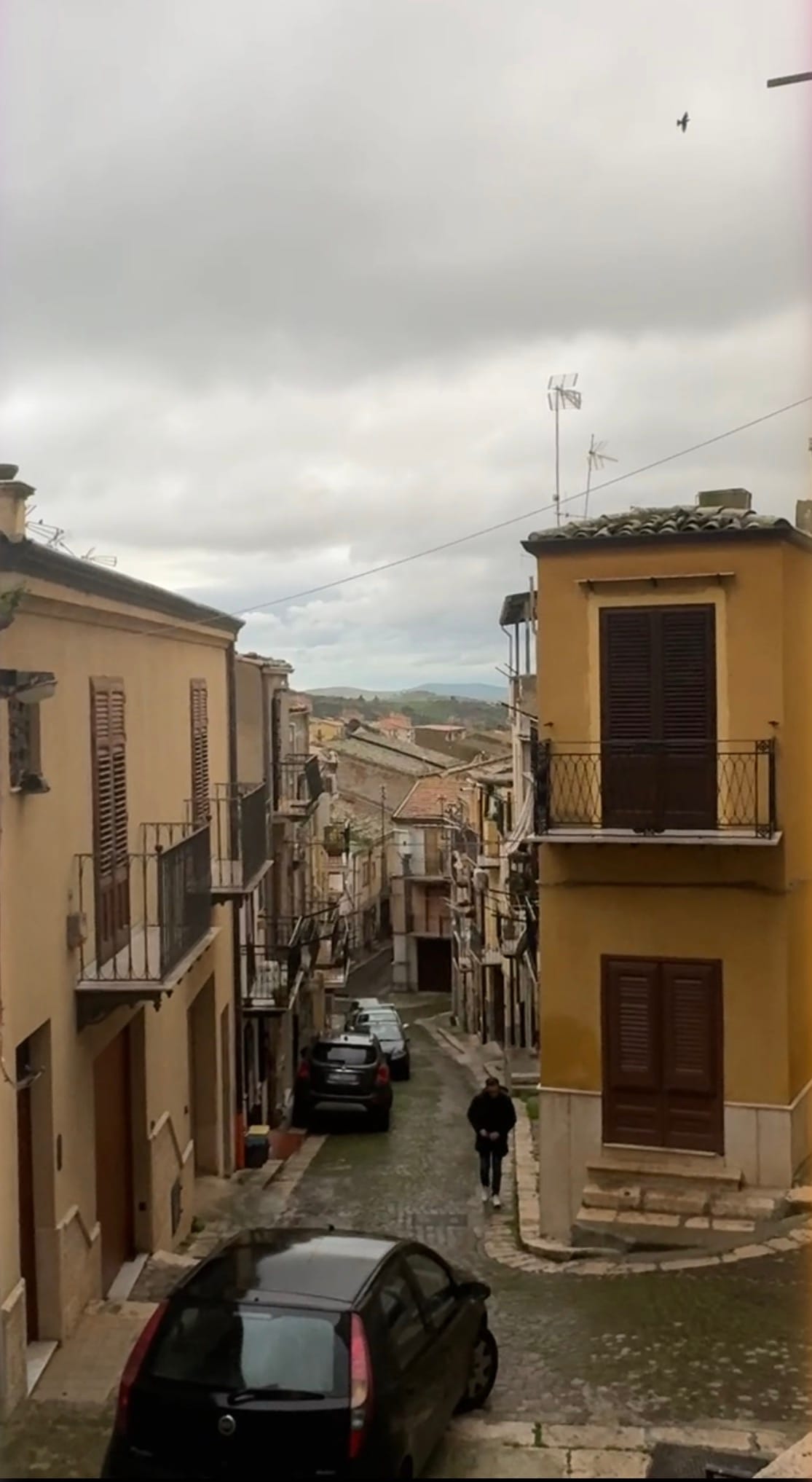
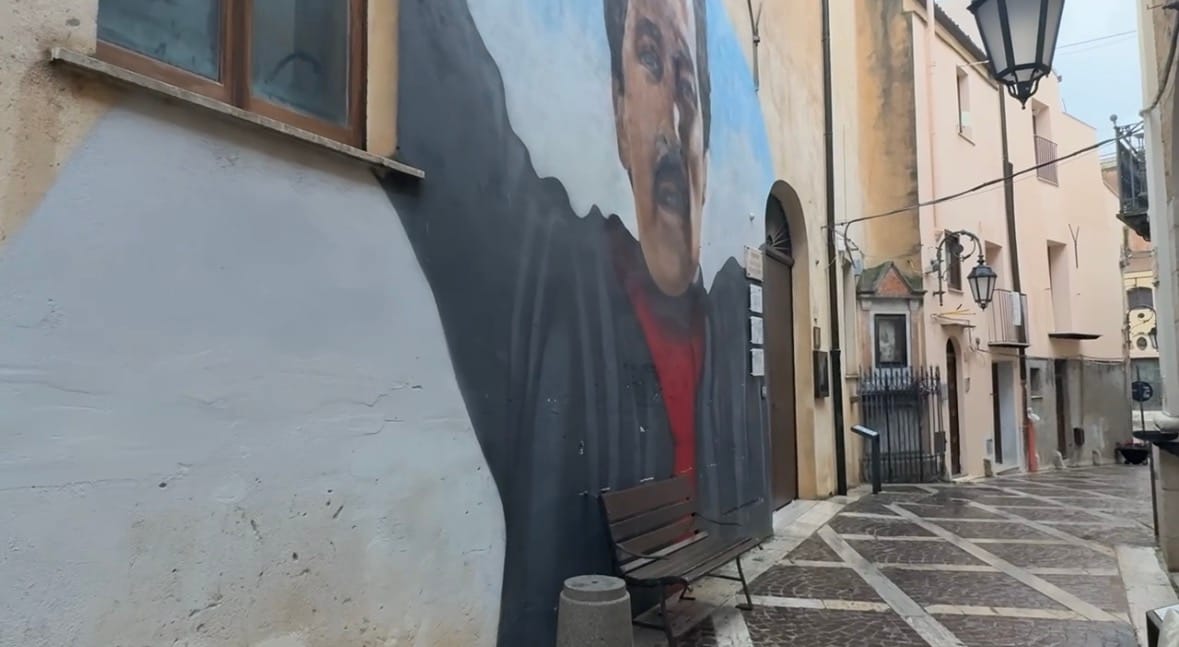
Sicily, visibility, and responsibility
Living in Sicily has made one thing very clear to me. This island is still real.
It is local. It is lived in. It has rhythms, limits, contradictions, and a social fabric that cannot be treated as a backdrop for someone else’s dream.
Relocating here, whether temporarily or long-term, comes with responsibility. Not to preserve Sicily in some idealised state, but to respect that it is not an empty stage waiting to be filled. It is a place with history, memory, and people who are very much present.
Showing Sicily honestly matters. Context matters. Not because the island needs protection from being seen, but because it deserves to be understood beyond stereotypes.
What weakens places like this is not visibility. It is reduction. Simplification. Turning a complex reality into a single story that erases everything else.
Corleone is part of that story. So is Sicily. And neither deserves to be reduced to a single word.
For those considering a move to Sicily and looking for clarity beyond stereotypes and headlines, we offer independent relocation consultations.
If you wish to see our experience in Corleone, the video is already live: https://youtu.be/gO0v1nO5Wes?si=R39BughEaNpKx7xn
If you enjoy reading our experiences, consider subscribing to our blog newsletter. We truly appreciate every single reader.
We’d also love to hear from you. Is the newsletter too frequent, too rare, or just right? Would you like more practical Sicily-based content about relocation, apartments, and everyday realities, or even occasional subscribers-only posts?
You can message us on any of our social media, or email us at sparkofsicily@gmail.com.
Otherwise, as always, tips are never expected, but always appreciated. https://spark-of-sicily.ghost.io/#/portal/support
Thank you for reading and see you in the next one.
Ciao!